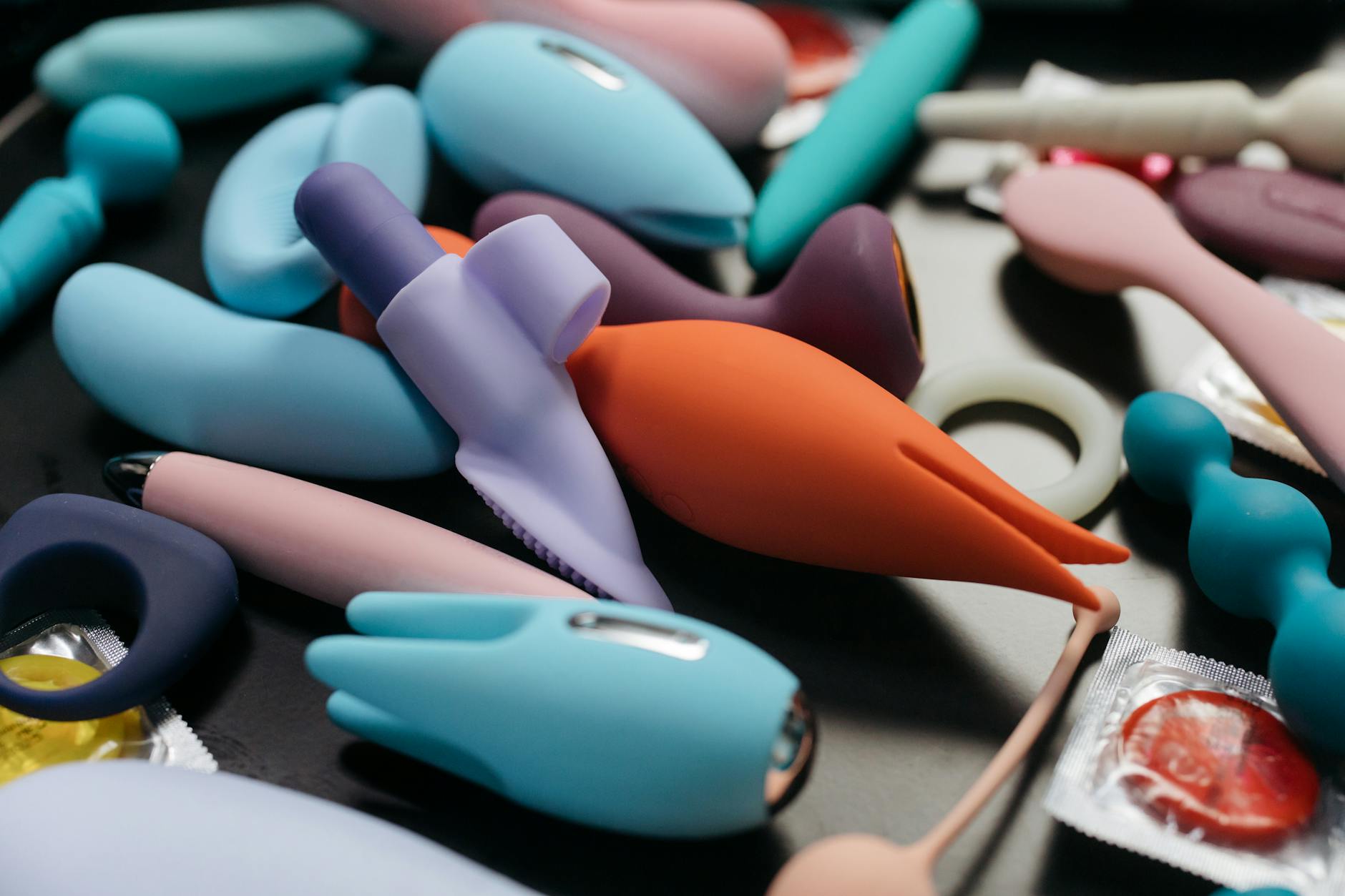
Here's what nobody mentions about adding a lemon vibrator to your shared sex life
You're nervous. Maybe you've never mentioned wanting external stimulation to your partner, or you're worried that suggesting it means you're not satisfied with what you already have. Maybe your partner is worried that introducing a toy means they're somehow inadequate. Both of these thoughts are completely normal, and both are completely unfounded.
The truth is that a lemon clitoral vibrator doesn't replace anything. It removes barriers.
The performance pressure that shows up without tools
Here's the thing about partnered sex without external stimulation: someone's usually focused on technique or timing or whether things are "working." When your partner is manually stimulating you, both of you are watching for signals. Is it too much pressure? Not enough? Should we speed up? The cognitive load kills arousal for everyone involved.
A lemon vibrator shifts that entire dynamic. Instead of your partner managing your pleasure, they're now part of the experience with you. There's space to breathe, to build at your own pace, to actually feel connected rather than evaluated.
I've worked with dozens of couples who've said the same thing: "We didn't realize how much we were performing until we stopped." That's not a failure of your previous sex life. It's just what happens when there's no tool creating space for both of you to relax.
Why the shape and suction of a lem vibrator changes the conversation
A lemon vibrator works differently than fingers or most other toys. The suction-based stimulation means there's no friction to adjust, no pressure that feels like it might be too intense. Your partner can hold it steady and simply let the device do the work. That's freedom on both sides of the experience.
The shape matters too. It's small enough to feel less intimidating if you're new to toys. It doesn't require much explanation or setup. You're not bringing a production into the bedroom. You're adding something that fits naturally into what you're already doing together.
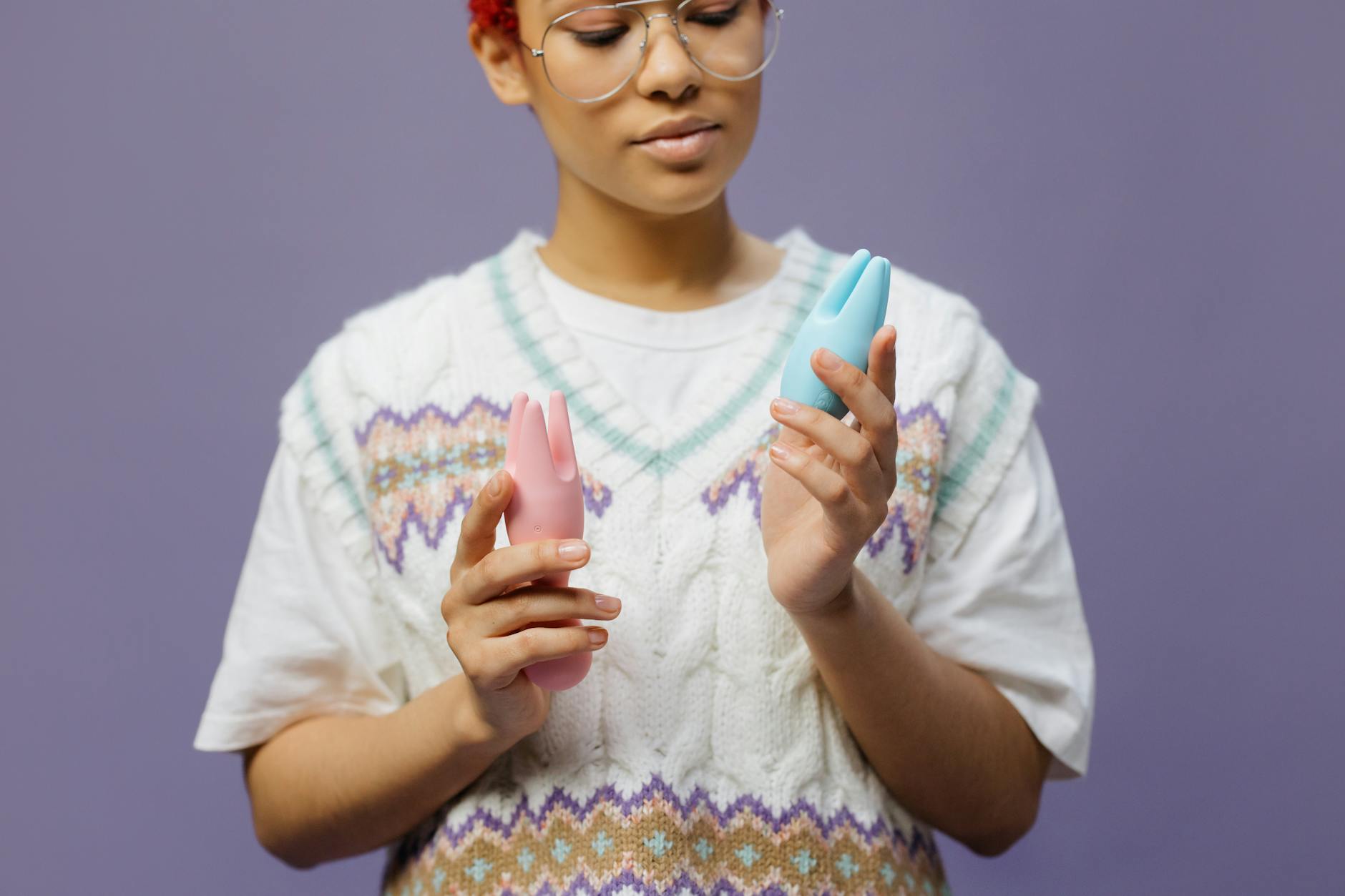
Photo by cottonbro studio on Pexels
Many partners find that watching their partner respond to the lemon vibrator is actually arousing in a way that's different from partnered touch alone. There's something about seeing genuine pleasure that shifts the whole encounter into territory that feels fresher, more present.
The conversation that actually needs to happen first
Before you bring a lemon clitoral vibrator into shared space, you need one conversation. Not a big one. Just clear.
"I'd like to explore this together. This isn't about anything missing. It's about trying something that might feel new."
That's it. No apologies, no explanation of what's wrong with your current sex life. Your partner's job is to listen without making it about them.
If your partner resists, that's useful information. Not because there's anything wrong with them, but because you now know there's a conversation to have about vulnerability, trust, or assumptions. Some partners worry that a lemon vibrator means they're being replaced. Some worry that introducing toys means the relationship is broken. Those are real feelings worth addressing. But they're separate from whether using a lemon vibrator is good for your pleasure. Both things can be true.
How to actually introduce it the first time
Don't make it a big moment. Don't wrap it up and present it like a gift. You're not building suspense. You're normalizing a tool.
Start together when you're already intimate. Let your partner see it, hold it. Let them ask questions. Explain how it feels to you if you've used one solo. No mystery, no buildup.
When you're ready, you might say: "I want to try this with you." Your partner can use it on you, or you can guide their hand, or you can use it while they're inside you or touching you in other ways. There are no rules. What matters is that you're both comfortable experimenting.
The first time is never perfect. You might feel self conscious. Your partner might feel unsure about how much stimulation feels good to you. That's normal. The point isn't an orgasm (though you might have one). The point is information. What feels good? What feels weird? What do you want to try differently next time?
What happens when both partners feel safe to ask for what they want
This is where it gets interesting. Once you've introduced a lemon vibrator, something shifts. You've already broken the seal on "my pleasure matters enough to ask for." That permission extends beyond the toy.
Suddenly it's easier to say, "I want more time here," or "Can we try this position?" or "I like it when you..." You've already communicated that your body has needs, and your partner has already shown up for that. The foundation is there.
Partners often report that their sex life got significantly better after introducing a lemon vibrator, and not because the vibrator is magical. It's because the conversation around pleasure opened up. You learned something about each other. You tried something new together. You built a little more trust.
When your partner wants to use it on you, here's what actually helps
Communication isn't a one-time thing. During and after, it helps to give feedback.
"That feels amazing right there" tells your partner exactly what's working. "A little gentler" lets them adjust. Saying "I need a second" doesn't mean anything's wrong. Your partner isn't a mind reader, and you're not expected to be either.
Some couples find that they want to add lube, or they want to build up to it with other touch first. Some find that their partner loves using the lemon vibrator as much as they love receiving it. Some discover that they like it solo better than partnered, and that's valuable information too.
The point is you're building a shared language around pleasure. That language didn't exist before, and now it does.
Why this matters for long-term intimacy
I've worked with couples in relationships for 10, 20, 30 years. The ones who stay connected sexually are almost never the ones who figured it out and stopped experimenting. They're the ones who keep checking in, keep trying new things, keep asking "what do you want now?"
Introducing a lemon clitoral vibrator is just one example of that check-in. It says: I care about your pleasure. I'm curious about you. I want to keep discovering what feels good to us together.
That matters way more than any specific technique or tool.
When you're worried your partner will judge you
That fear is real, and it makes sense. We've been taught that asking for pleasure, especially specific kinds of pleasure, is somehow shameful or demanding. It's not. It's the opposite. It's a form of trust.
But if your partner does react negatively, that's important information about whether they're genuinely safe to be vulnerable with. A loving partner wants you to feel good. Full stop. If someone makes you feel ashamed for wanting pleasure, that's a relationship problem that a lemon vibrator can't fix. What it can do is illuminate where the real work needs to happen.
For most couples though, the fear is worse than the reality. Your partner probably wants you to feel good too. They just needed you to open the door first.
FAQ: Questions couples actually ask
How do I know which lemon vibrator to buy if I'm buying for both of us?
Start with something in the middle intensity range. You can always adjust patterns and settings, and intensity comes down to personal preference. The Lem vibrator is a solid choice because it's intuitive to use and the suction-based design means your partner doesn't need to manage pressure. Check the settings before you're in the moment so neither of you is fumbling with buttons when you'd rather be focused on each other.
What if we try it and I don't like it?
Then you don't use it again. You tried something together, learned something about yourselves, and you move on. That's still a win. Not everything will work for everyone, and that's completely fine. The goal isn't to fall in love with a lemon vibrator. The goal is to communicate about pleasure, and you've already done that by having the conversation.
Should I use lube with a lemon clitoral vibrator the first time?
Yes. Water-based lube is your friend. It reduces friction, makes the experience feel smoother, and honestly makes most forms of stimulation more comfortable. Warm the lube a little in your hands first. It's a small thing that signals care to your partner.
What if my partner feels left out or threatened?
That's the conversation before you use the toy, not after. Let your partner know: this is something we're doing together. This is about exploring, not replacing. If they're still struggling, take time to understand why. Is it insecurity? Is it a mismatch in desire? Is it discomfort with sexuality in general? Once you know the real issue, you can address it. But you address it with words first, toys second.
Can we use a lemon vibrator if we're not the kind of couple that usually talks about sex?
Actually, this might be the perfect entry point. A physical object can be easier to introduce than abstract conversation. You can show it, explain it simply, and let the experience do some of the talking. Many couples find that using a lemon vibrator together actually makes it easier to talk about pleasure afterward. There's less mystery and more familiarity.
How long does it usually take to feel comfortable using a toy together for the first time?
It varies wildly. Some couples use one the first time they're together. Some wait months or years. There's no timeline. What matters is that when you do try it, you both feel ready enough. That might mean multiple conversations. That might mean your partner wants to research it first. That might mean you want to try it solo before inviting them to join. All of that is normal and healthy.
The actual payoff
You've never explored pleasure with a partner before, so you don't know yet what's on the other side of that threshold. Here's what typically happens: you realize that pleasure is collaborative, not performative. You learn something new about what your partner cares about and how they show up. You find out that asking for what you want is actually connecting, not risky.
A lemon vibrator is a tool. But the real work is the permission you're giving yourself and your partner to care about sensation, to experiment, to stay curious about each other.
That's the stuff that builds intimacy over years. Everything else is just the entry point.
Ready to take the next step? If you want more specific guidance on communication with your partner or navigating these conversations, get in touch. That's what I'm here for.