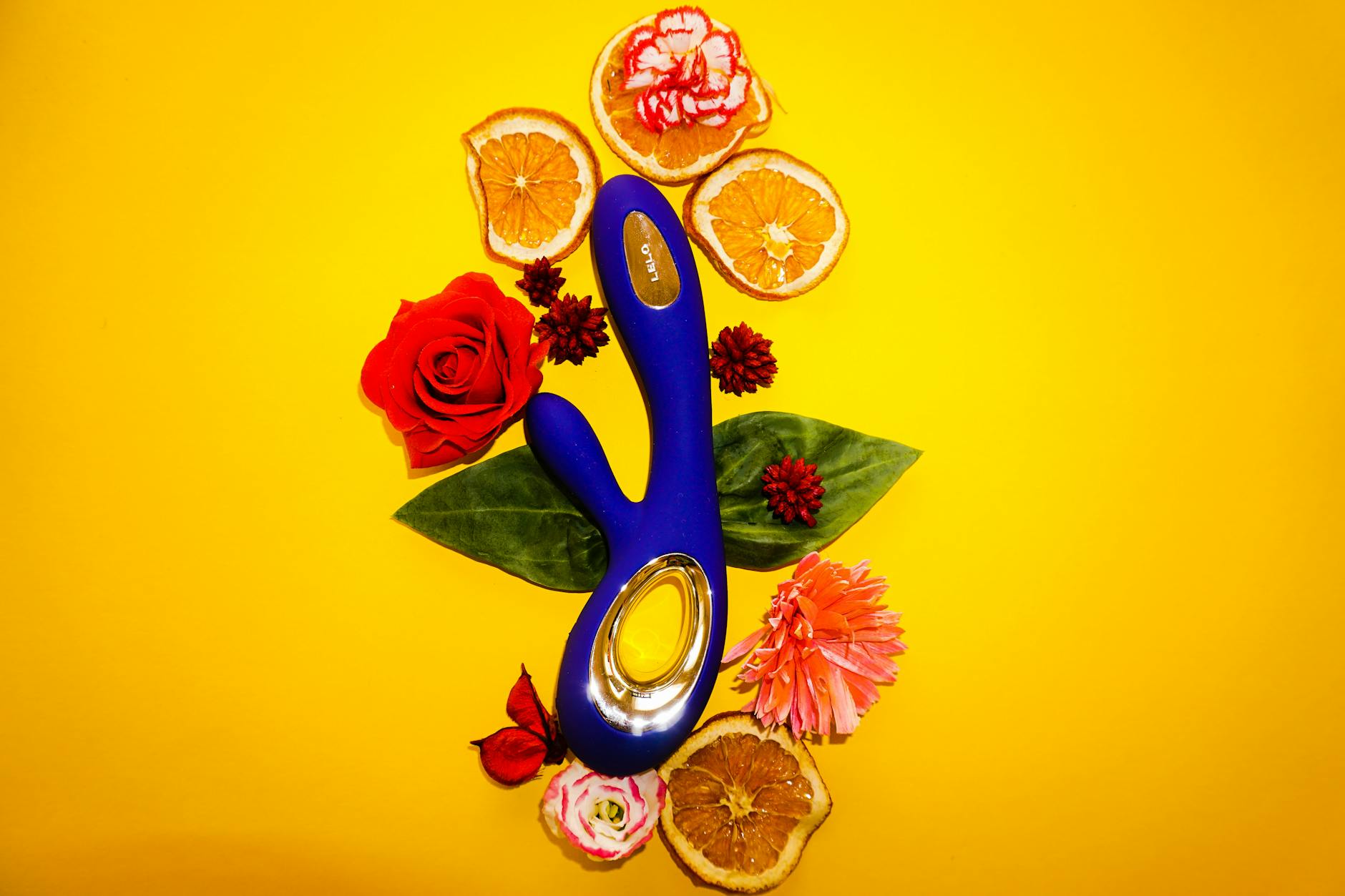
The part nobody talks about in recovery
Your doctor tells you when you can exercise, drive, lift things. They give you a surgical aftercare sheet. What they almost never mention is when it's safe to have pleasure again, or how to mentally move past the fear that your body has changed.
It hasn't. But the anxiety that arrives with it does.
Recovery after a gynecological procedure - whether that's a D and C, a biopsy, ablation, fibroid removal, or even a hysterectomy - throws your sexual confidence into a strange suspension. Your body needs time to heal. Your mind needs permission to feel okay about pleasure again. And here's the thing that helped my clients most often: gentle, non-penetrative stimulation using something designed specifically for clitoral pleasure, like a lemon vibrator, becomes a bridge back to your own body.
It's not just about sensation. It's about agency.
Why the clitoral approach works during recovery
Most gynecological procedures affect the vaginal canal, the cervix, or uterine tissue. The clitoris, by contrast, exists separately. It has its own blood supply, its own nerve pathway, its own healing timeline. When your doctor says "nothing in the vagina for six weeks," they're protecting that internal tissue from infection and trauma. They're not banning pleasure.
This is where lemon clitoral vibrators change the equation. They work externally, on tissue that often isn't directly involved in the procedure at all. Air-suction technology like that in the Lem means there's no penetration, no pressure against healing tissue, and no risk of introducing bacteria into a vulnerable area.
For someone in recovery, that's not just safe. It's liberating.
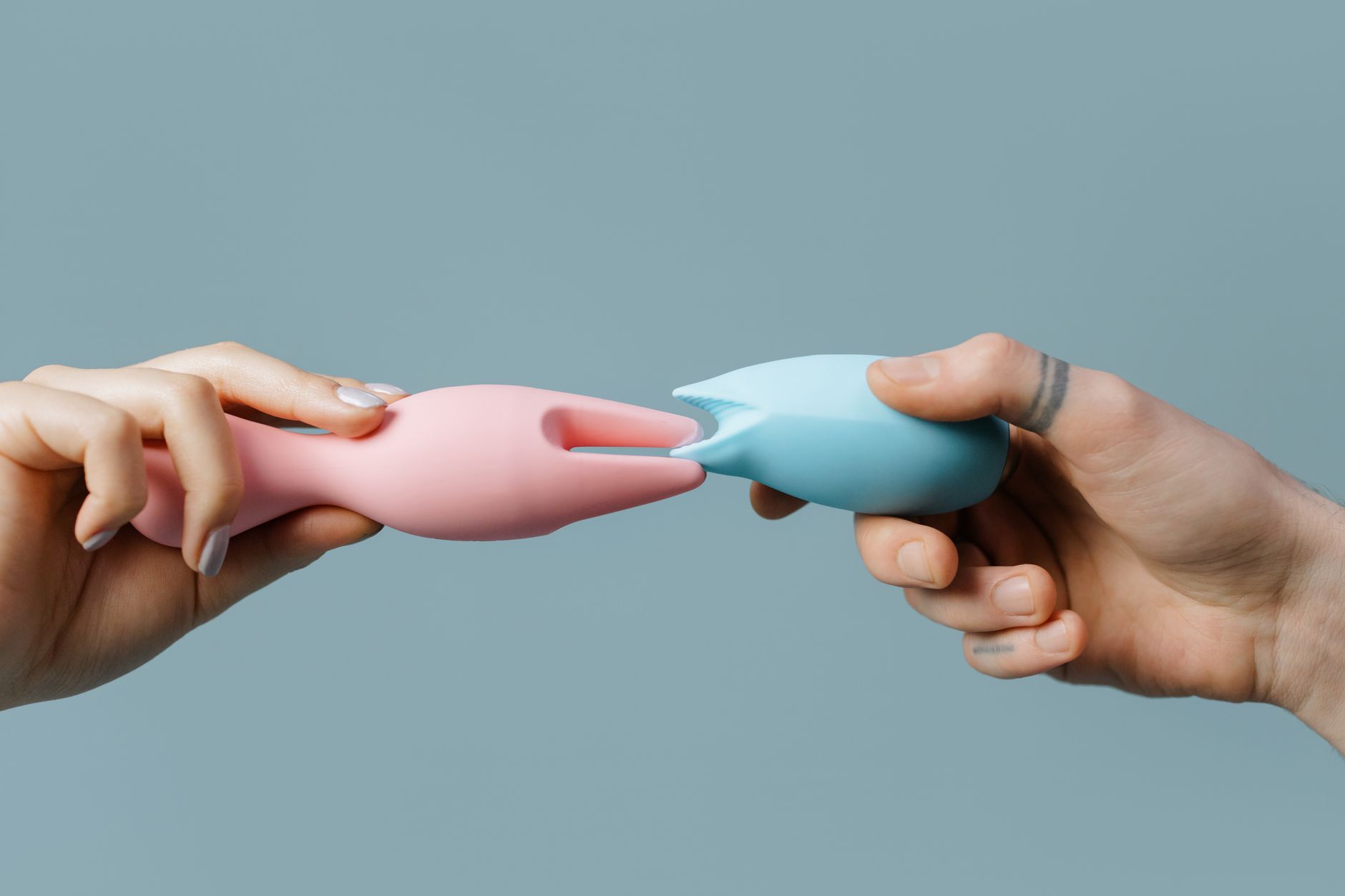
Photo by cottonbro studio on Pexels
The emotional side of healing
Here's what I see over and over with clients recovering from procedures: the first few weeks are about pain management and rest. Week three or four, something shifts. The physical pain fades. But the anxiety lingers. "Will my body feel normal again?" "Will pleasure feel the same?" "Am I broken?"
These questions aren't irrational. They're a natural response to your body having been marked as needing medical intervention. And shame often sneaks in alongside them. The idea that wanting pleasure while healing means you're not taking recovery seriously, or that focusing on your own sensation is somehow selfish.
It's not. Reestablishing your own arousal and pleasure during recovery is part of the healing story. It tells your brain and body that you're moving through this, not stuck in it.
Starting with external clitoral stimulation - at low intensity, on your own timeline - is a way to say: "My body is still mine. I still feel. I still deserve this."
When it's actually safe to start
This depends entirely on the procedure. Talk to your surgeon or gynecologist before assuming anything. That said, most external-only clitoral stimulation can begin once:
- You're off heavy pain medication (clarity matters; you want to notice what feels good)
- Any bleeding has stopped or reduced to spotting
- You have clearance for "light activity" (usually two to three weeks post-procedure)
- There's no active infection or fever
Start at the lowest setting. The Lem has multiple intensity patterns. Begin with pattern one or two, just a few minutes. You're not looking for orgasm yet. You're reacquainting yourself with sensation.
What to expect on your first time back
Sensation may feel different. Muted. Your nervous system is still in recovery mode, and that affects arousal. That's not permanent. It's neurological. Your body is being cautious, and that's a feature, not a bug.
You might feel nothing for the first session or two. That's fine. You might also feel a rush of emotion - relief, sadness, even grief - that catches you off guard. Pleasure reconnects you to feelings you've been numb to while healing. Let it be there without judgment.
Pain is the only signal to stop. Discomfort, pressure, or mild sensitivity is normal. Pain means something's wrong. Know the difference, and err on the side of caution.
Building back gradually
Think of this like physical therapy for pleasure. Week one might be five minutes at the lowest intensity, twice. Week two, you extend to ten minutes and maybe try pattern two. Week three, you're probably ready for longer sessions or higher intensity, but only if it feels good.
This isn't a race. The point isn't reaching maximum sensation as fast as possible. The point is proving to yourself that your body still works, still feels, still belongs to you.
Many of my clients find that rediscovering pleasure with a lemon clitoral vibrator actually deepens their body connection in ways it wasn't before. You're intentional about it. You're paying attention. You're listening instead of just going through motions.
Partner communication during recovery
If you have a partner, this is a conversation worth having early. Not "Can we have sex yet?" but "I'm starting to rebuild my own pleasure as part of healing, and I'd like you to know that and be supportive."
Some partners feel left out. Some worry they're causing you pain. Some feel relieved that you're healing and reconnecting with your own body first. All of those are valid. Naming it prevents resentment from building in the shadows.
You might also share that external clitoral stimulation is your current way forward. That you're listening to your doctor's guidance. That this is part of your recovery plan, not a workaround. Making it clinical and clear takes a lot of the anxiety out of it.
When to circle back with your doctor
If sensation hasn't returned by week six, mention it. If you feel pain during or after stimulation, stop and call. If you notice unusual discharge, fever, or any sign of infection, hold off until you've talked to your care team.
Your gynecologist has heard this before. They understand that sexual function is part of overall health and recovery. They want you whole again. Ask the question.
The bigger picture of recovery
Recovery isn't linear. Some days you'll feel ready for pleasure, and your body will say no. Other days you'll be surprised by how quickly sensation returns. Both are normal. Both are healing.
Rebuilding confidence after a procedure is about more than physical sensation. It's about remembering that you're not defined by what your body needed medically. You're defined by your resilience, your capacity to pleasure, your refusal to let a procedure rewrite your story.
A lemon clitoral vibrator isn't a replacement for your own touch or a partner's attention. It's a tool that meets you where recovery is, external and safe and entirely under your control. It's permission to feel good while you're healing. And sometimes, that permission is the most powerful part.
People also ask
How long after a D and C can I use a clitoral vibrator?
Most gynecologists clear external clitoral stimulation once bleeding has stopped and you're off heavy pain medication, typically two to four weeks post-procedure. A D and C involves the uterine lining, not the external clitoris, so external-only vibrators are generally considered safe once basic recovery markers are hit. Always confirm with your doctor before starting, especially if there were complications during the procedure.
Is it safe to use a lemon vibrator after a hysterectomy?
Yes, external clitoral vibrators are typically safe after a hysterectomy once you've hit the same recovery checkpoints: no active bleeding, clearance for light activity, and off heavy pain medication. Because clitoral stimulation is external only, it doesn't interfere with internal surgical sites. Some people find clitoral pleasure actually returns faster than they expected post-hysterectomy because the anatomy stays the same, just the internal structures change.
What if I don't feel anything when I try to use a vibrator during recovery?
That's incredibly common and usually temporary. Your nervous system is in healing mode, and arousal pathways can feel muted for several weeks. This isn't permanent numbness; it's a protective response. Keep trying gently every few days at the lowest intensity. As your body heals and stress decreases, sensation typically returns. If it hasn't by eight to ten weeks post-procedure, loop in your doctor to rule out other factors like medication side effects or emotional blocks.
Can I use a lemon sucker vibrator if I had a cervical biopsy?
Absolutely. A cervical biopsy affects internal cervical tissue, not the external clitoris. Once you have basic clearance for any activity and bleeding has stopped, external clitoral vibrators like the Lem are safe to use. Some people feel more comfortable waiting an extra week or two just to be certain, and that's fine too. The key is that you're not putting anything inside or applying pressure to the biopsy site itself.
Will using a vibrator delay my physical recovery?
No. External clitoral stimulation doesn't interfere with internal healing timelines. If anything, the gentle arousal and increased blood flow to the area can support overall healing. The key is keeping it external, keeping intensity low early on, and stopping if you experience pain. Your body will tell you what it needs. Listen to that signal over any assumption about what recovery "should" look like.
How do I talk to my partner about using a vibrator during my recovery?
Frame it as part of your healing plan, not as a replacement for them. "My doctor said I can't have penetration yet, but external stimulation is safe. I'm using a clitoral vibrator as part of rebuilding my comfort with my own body. I'd love your support." Some partners want to be involved; others are just relieved you're managing your own pleasure so they don't have to wonder what's okay. Either way, clarity prevents misunderstanding.