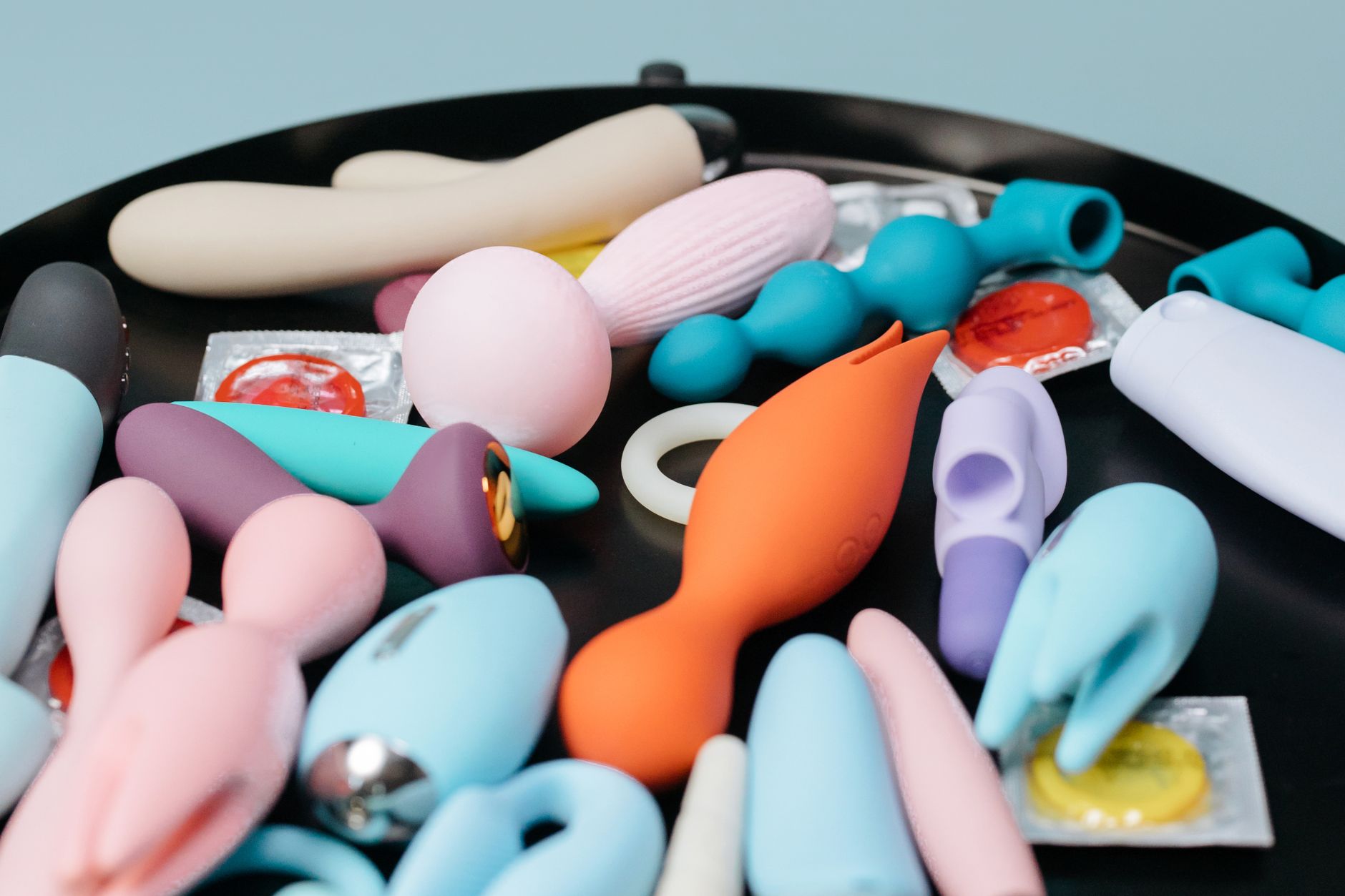
The weird gap between talking and touching
Couples therapy cracks something open. You've spent weeks or months learning to listen, to name the patterns, to apologize differently. You've rebuilt trust on the emotional level. And then you get home and the physical side feels frozen. Your partner reaches for your hand and there's this delay—like your nervous system didn't get the memo that things are safe again.
This is real. It's not failure. It's actually a really common gap between the cognitive and somatic reset that needs to happen after relational repair.
Why physical intimacy lags behind emotional reconnection
Here's what I see in practice: couples therapy rewires how you talk. It doesn't automatically rewire how your body responds to touch. Your brain can believe "we're working again" while your nervous system is still holding protective tension from months of disconnection.
There's also shame, often. You've both been vulnerable about how the relationship suffered. Now initiating sex can feel like it's asking a lot—or admitting need after you've spent weeks learning to be "less needy." That contradiction gets confusing fast.
And then there's the obvious thing: after a long dry spell, physical touch itself can feel awkward. Your body forgets the rhythm. What used to feel natural feels staged. You're both aware you're "doing" intimacy again, which is the fastest way to make it feel mechanical.
Why lemon vibrators bridge this gap better than manual restart
A lem vibrator—or any good lemon clitoral vibrator—removes one layer of performance from the equation. Instead of both partners navigating "who touches what and how," you've got a tool that does one specific, really good thing.
This matters. It takes the pressure off "am I doing this right?" and puts it on sensation instead. That shift alone often makes the difference between forced sex and sex that actually feels good.
Lemon vibrators also work particularly well for this because they use suction, not vibration. Suction feels less intense than traditional vibration, which means you can use it for longer without overstimulation. That extended window of pleasure—that ability to just exist in sensation without rushing to an orgasm—is exactly what couples rebuilding intimacy need.
A practical reset: how to introduce this without awkwardness
Don't frame it as a fix for a broken problem. Frame it as a tool for exploration you haven't done together yet.
"I bought us something that I thought we could try together" lands very differently than "we need help getting back on track." One is curious. One is remedial.
Start with solo use first, if that feels safer. Let your body remember how good sensation feels without the pressure of performing for your partner. This usually takes 2-3 weeks of regular use (meaning 2-3 times a week). Your nervous system starts to relax around pleasure again. Your body stops holding as much protective tension.
Then, when you're together, position it as something you're exploring together, not something your partner is doing to you. "Can we try this together?" or "I want to show you how this feels" keeps it collaborative.
The specific ways lemon vibrators help the reconnection
Four things tend to shift once a couple starts using lemon clitoral vibrators post-therapy.
Extended pleasure windows. Because suction stimulates without the friction-based intensity of traditional vibrators, you can enjoy sensation for 20-30 minutes without numbness setting in. This longer timeline gives your nervous system time to move from "performing" to "actually present." That's the goal.
Reduced performance pressure. You're not trying to make someone orgasm through manual stimulation or penetration. You're using a tool designed to reliably create sensation. This sounds mechanical, but it actually frees both partners to just be in the moment instead of focusing on technique.
Permission to prioritize pleasure. After relational conflict, there's often an implicit belief that you don't deserve pleasure right now. Using a lemon vibrator together sends the body a different message: "you're worth feeling good." That permission shift is half the healing.
Reframing touch as safe. If sex went away because of conflict, the body often associates touch with risk. Reintroducing touch through a tool first (rather than direct skin-to-skin) can feel safer while your nervous system recalibrates. Then you can gradually layer in manual touch without the same defensive bracing.
The conversation to have before you buy
Don't sneak this in. Talk about it first, even if the conversation feels awkward.
"I've been thinking about how we could rebuild the physical side in a way that feels good and low-pressure for both of us. I came across lemon clitoral vibrators and the way they work actually seemed like it might help. What do you think?"
Then listen. Your partner might feel relieved. They might feel shy. They might have their own ideas. This conversation is part of the reconnection.
If there's hesitation, don't push. Ask what would feel better. Maybe it's starting with general touch first. Maybe it's waiting another month. The tool isn't the point. The willingness to rebuild together is.
What to expect the first few times
Sex after couples therapy often feels slower than before the conflict. That's not a bad sign—it's how healing works.
You might both feel self-conscious. You might laugh awkwardly. Your partner might touch you and you might flinch slightly before relaxing. All of that is normal. Your body is relearning that touch equals safety, not risk.
Start with lower intensity settings if you're using a lem vibrator. Your nervous system might not be ready for full sensation intensity yet. Work up over a few sessions.
And give yourself permission for it to feel different than before the conflict. It will be different—hopefully in better ways. You know each other more honestly now. You've practiced vulnerability. This physical reconnection gets to be a reflection of that, not a return to the past.
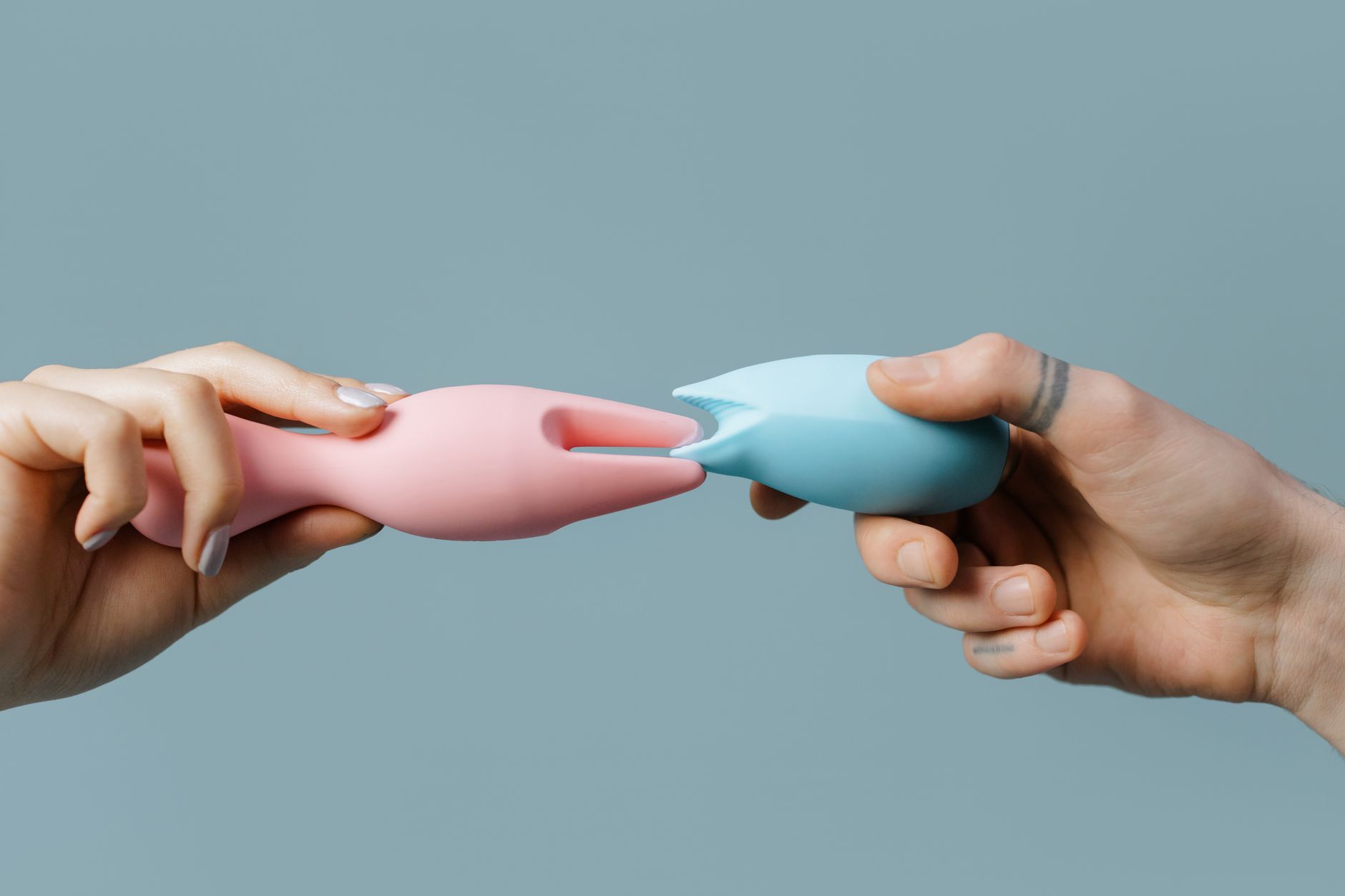
Photo by cottonbro studio on Pexels
The timeline for real reconnection
Most couples I work with see a shift around week 4-6 of intentional reconnection. That's when the mechanical part becomes less conscious and pleasure starts to feel present again.
If you're at week 8 and it still feels forced, check in. Are there conversations you're still avoiding? Is one partner more ready than the other? These are real questions couples therapy addresses—but they're worth revisiting.
Physical intimacy isn't something you "fix once." It's something you actively maintain. Lemon vibrators and other tools help with that maintenance, but they work best alongside ongoing communication.
When to involve a sex therapist too
If you've done couples therapy, you know the value of expert guidance. Sex therapy is similar—it's not about fixing something wrong with you. It's about learning how to reconnect your emotional and physical lives intentionally.
Consider it if arousal feels distant even after 8-10 weeks of using lemon clitoral vibrators together. Or if one partner's desire hasn't returned. Or if you keep falling back into the same power dynamics around sex that caused conflict before.
A good sex therapist helps you understand what your body needs in order to trust touch again. Sometimes that's education. Sometimes it's permission. Sometimes it's actually identifying where disconnection is happening and treating it separately from the emotional work you've already done.
Here's what actually matters
Lemon vibrators help because they're tools designed for pleasure that don't require the same vulnerability as direct touch. That makes them useful for nervous systems that are still recalibrating safety.
But the real bridge isn't the tool. It's the willingness to show up together and say "let's figure this out." The lemon clitoral vibrator just makes that process less awkward and more pleasurable.
You did the hard part in therapy. Now you get to do the good part: discovering what your body wants when it finally feels safe again.
People also ask
How long after couples therapy should we wait before trying physical intimacy again?
There's no universal timeline, but I generally suggest waiting until you've had at least 3-4 therapy sessions establishing new communication patterns. Your therapist can guide this better than any timeline, since it depends on what caused the disconnection. Some couples are ready in weeks. Others need months. The point is readiness, not a calendar.
Can using a lemon vibrator actually improve our emotional connection too?
Yes, but indirectly. When physical pleasure returns, it often reduces stress and increases oxytocin, which helps you feel more bonded. Regular pleasure also reminds your nervous system that your partner's touch equals good things, which rewires the protective bracing that conflict creates. That said, tools don't replace conversation. Use them alongside continued communication.
What if my partner thinks using a vibrator means something's wrong with them?
This comes up a lot, and it's worth addressing directly. Reframe it as exploration, not compensation. "I want to feel good with you, and this is a tool we haven't tried yet" is different from "I need this because you're not enough." If your partner still feels defensive, that's something worth discussing with your couples therapist, because it might point to deeper insecurity that therapy should address.
Is it better to start with a lemon vibrator or a different style?
For post-therapy reconnection specifically, I recommend lemon clitoral vibrators or suction toys because they're less intense and allow for longer sessions without numbness. That extended window of sensation is exactly what rebuilding intimacy needs. Wand vibrators can feel too strong early on if your nervous system is still in protective mode.
How do we talk about this with our therapist?
Bring it up directly. "We're thinking about reintroducing sexual intimacy. We found lemon vibrators and wanted your thoughts." A good therapist will have opinions on timing and approach. They might suggest starting with other forms of touch first, or they might fully support it. Either way, they'll help you troubleshoot if it's not landing the way you hoped.
What if we try this and it still feels awkward?
Awkwardness often means you're still processing something emotionally. Maybe shame about the conflict. Maybe fear it will happen again. Maybe just rustiness. All of that is real. Use the awkwardness as information. What specifically feels off? Are you worried? Disconnected? Rushing? Then address that feeling, not the tool. The lemon vibrator is only as useful as the emotional safety you're building underneath it.
Reconnection after couples therapy isn't about returning to how things were. It's about building something more honest. Lemon vibrators and other pleasure tools can be part of that, but they work best when you're both committed to showing up vulnerable, curious, and willing to feel good again together.
If you have questions about your own path forward, we're here to help. Reach out anytime at Official Nancy Lem.