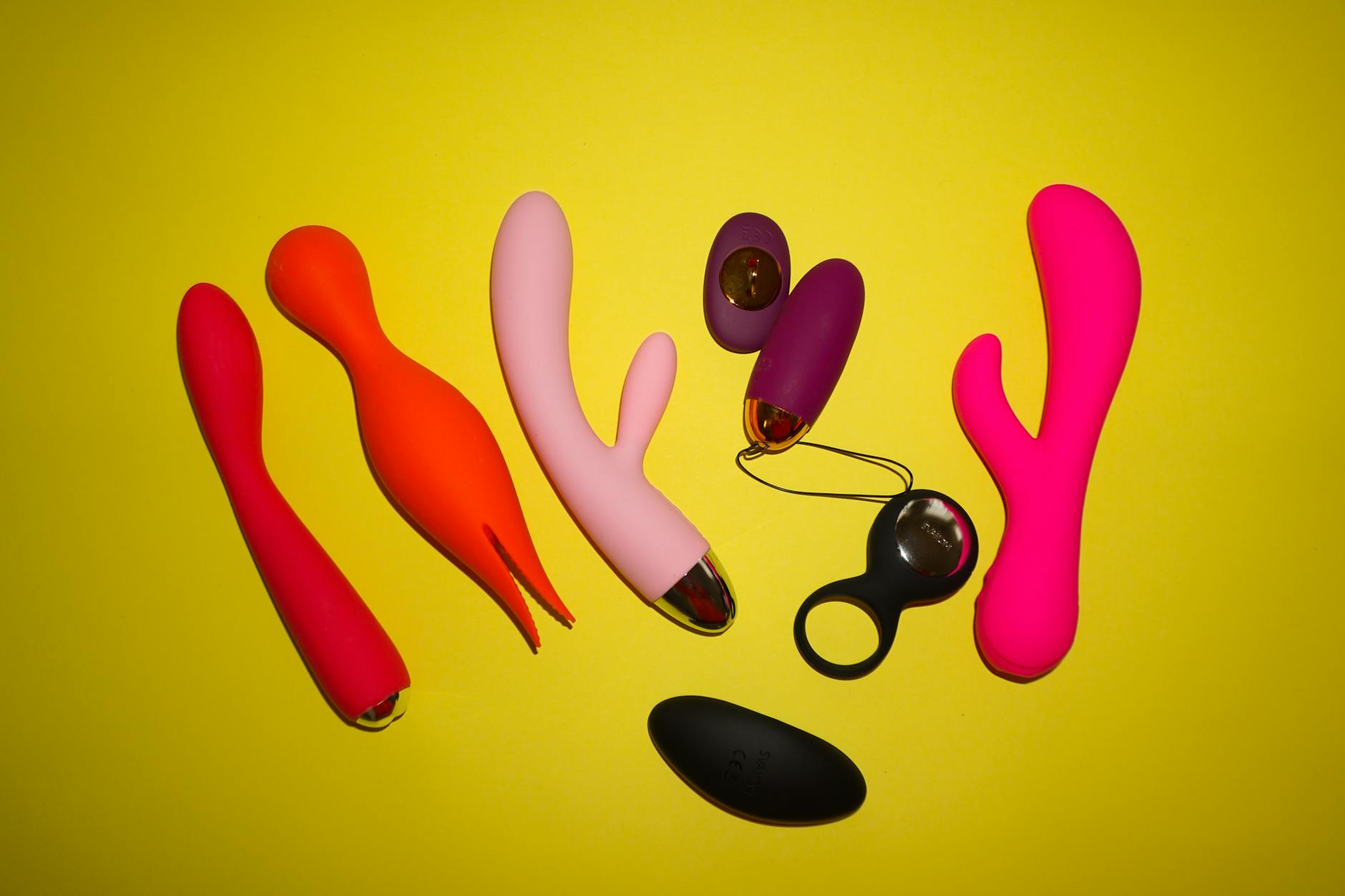
The part nobody talks about
Let's be real: when a relationship fractures, your relationship with your own body fractures too. Whether it's infidelity, disconnection, a major life transition, or the simple fact that you've grown in different directions, the aftermath doesn't just affect how you feel about your partner. It changes how you feel about yourself.
Most people assume pleasure gets shelved during these periods. But I've worked with hundreds of clients who found the opposite to be true. Rebuilding solo pleasure became the thing that actually helped them move forward, whether that meant repairing the relationship or creating a cleaner break.
This is where lemon vibrators, specifically air-pulse clitoral vibrators like the Lem design, become unexpectedly powerful.
Why relationship rupture affects pleasure
When trust breaks, the nervous system gets dysregulated. You might feel hypervigilant, numb, guilty, or all three rotating on a loop. That dysregulation lives in your body. Your pelvic floor tenses. Your clitoris becomes hard to access. What used to happen automatically now requires conscious effort.
At the same time, many people experience a pull toward reclaiming agency. After someone else has let you down, pleasing yourself becomes an act of rebellion and self-respect. Both things are true simultaneously. Both are valid.
The problem: if you've spent years in partnered sex, you might have lost touch with what actually works for your body in isolation. You've been calibrating to someone else's rhythm, someone else's preferences, someone else's timeline. Solo pleasure feels foreign because, frankly, you haven't practiced it.
Why air-pulse technology matters in recovery
Here's the thing about lemon clitoral vibrators and similar air-suction devices: they don't require the same kind of surrender that traditional vibrators do. With a wand or bullet, you have to direct the stimulation, adjust angles, find the exact right spot every single time. That's fine once you know your body. When you're relearning it, that friction can feel demanding.
Air-pulse stimulation like the lemon sucker design creates a gentle seal and then pulses rhythmically. The sensation is more like a wave than a point of pressure. Many people describe it as feeling less invasive, more like the toy is inviting pleasure out of you rather than forcing it in. That distinction matters when you're rebuilding trust with your own body.
The suction also tends to work well across different states of arousal. If you're not fully warmed up yet, lower intensity settings still provide feedback without pain or frustration. That means you're less likely to give up before the nervous system has a chance to settle.
The nervous system piece
When you've been through relationship trauma or rupture, your vagus nerve is often stuck in either hyperarousal or shutdown. You're either vigilant or numb, sometimes both at different times of day. Solo pleasure isn't just about orgasm. It's about signaling safety to your nervous system.
Using a lem vibrator or similar device for 20 minutes at a low intensity does something interesting: it interrupts the trauma loop just enough to create a window of calm. You're not thinking about whether your partner is trustworthy. You're not rehearsing the argument. You're present with sensation. That's a form of nervous system healing that doesn't require a therapist in the room.
Over time, that practice teaches your body that pleasure is still accessible to you independently of anyone else's participation. That's the foundation that either leads to rebuilding with a partner from a place of wholeness, or creating a healthy solo life. Either way, you've won.
Starting slow when intimacy feels risky
If you're early in the recovery phase, here's what works better than jumping straight to climax chasing.
Start with the lowest intensity setting on a lemon clitoral vibrator. Spend the first session just noticing sensation without expectation. Touch doesn't have to lead anywhere. Five to ten minutes is plenty. The goal is to remind your nervous system that stimulation can feel good and also safe.
Increase the time before you increase the intensity. Spend a week at pattern one. Then pattern two. Let your body adjust. You're retraining neurological pathways, and that takes repetition, not intensity.
Take breaks if anything feels overwhelming. This isn't like partnered sex where you're managing someone else's expectations. You can stop. You can come back tomorrow. That permission is part of the healing.
When to consider partnered exploration
If you're working toward rebuilding intimacy with a partner, your solo practice with air-pulse vibrators becomes incredibly useful information. You'll start to know what actually works for your body. You'll stop guessing. That clarity is attractive because it removes the burden of performance.
When you do invite your partner back in, you can say: "I've learned some things about what feels good to me." That's not a criticism of them. It's valuable data that makes the reunion actually better than what came before.
Some couples find that introducing a lemon vibrator into partnered play becomes a way of rebuilding together. The toy becomes neutral territory. It's not about replacing the partner. It's about creating a shared experience where both people are focused on pleasure, not on guilt or repair.
Common obstacles and what actually helps
Most people rebuilding after relationship fracture hit a few predictable walls.
Guilt about pleasure. You might feel like you don't deserve this, or like wanting pleasure means you've betrayed someone. Here's the truth: your pleasure is not a betrayal. It's a reclamation. Use the vibrator anyway. The guilt usually passes once your nervous system realizes pleasure is safe.
Impatience with the timeline. Your body didn't become disconnected overnight. It won't reconnect overnight either. If orgasm doesn't happen for the first three sessions, that's completely normal. Lemon vibrators work. Your nervous system just needs time to believe it's safe to let go.
Comparing this to partnered pleasure. The sensation will feel different. Probably less complex. That's okay. This isn't the same experience. It's a different one with its own value. Stop measuring it against partnered sex and it becomes its own thing.
The research part
There's solid evidence that sexual self-touch, particularly with vibration, helps people who've experienced relationship trauma or loss of libido. Studies on sexual health after infidelity specifically show that solo pleasure practices help reestablish confidence and desire faster than waiting for desire to spontaneously return.
The air-pulse mechanism is particularly useful because it tends to reduce the cognitive load required. You're not problem-solving your way to pleasure. You're receiving pleasure. That shift from active to receptive is often what trauma survivors need most.
Moving forward
Rebuild intimacy after a relationship change isn't linear. Some days you'll feel ready to reconnect with yourself. Other days you'll feel nothing. Both are part of the process. A lemon clitoral vibrator or similar air-suction toy gives you a tool that works regardless of where you are in that cycle.
You deserve reconnection. You deserve to know that your body still works, still responds, still matters. That knowledge changes everything about how you show up, whether you're rebuilding with a partner or building a stronger relationship with yourself.
FAQ
Can I use a lemon vibrator while I'm still grieving a relationship ending?
Absolutely. Grief and pleasure coexist. In fact, using a lem vibrator during grief can actually help you process it, because you're giving your nervous system evidence that life still feels good. Start with low intensity and low expectations. This isn't about forgetting. It's about remembering that you still deserve to feel okay.
Will using air-pulse vibrators make partnered sex feel different when I'm ready?
Yes, probably. You might notice that direct clitoral stimulation from a partner feels sharper or less nuanced. That's useful information. It helps you communicate what you actually want. Most couples find that solo knowledge actually improves partnered sex because you can guide your partner toward what works instead of hoping they'll guess.
How often should I be using a lemon clitoral vibrator while rebuilding intimacy?
There's no "should." Some people find that three to four times a week feels healing. Others prefer twice a week. Listen to your body. If you're using it as a way to avoid feeling hard emotions, take a break. If it feels grounding and safe, continue. The goal is pleasure that feels authentic to you, not a routine.
Can my partner and I use a lem vibrator together even if there's still unresolved hurt?
Sometimes yes, but proceed carefully. If the hurt is fresh or if you haven't done some individual healing first, introducing toys can feel like avoiding the real conversation. Consider doing some solo practice first. When you bring a lemon sucker into partnered play, make sure you're also making space for the harder conversations. Pleasure doesn't replace repair work. It complements it.
What if I don't experience orgasm with a lemon vibrator right away?
That's normal, especially during stress or trauma recovery. Your nervous system might not be ready to let go yet, and that's completely okay. Keep using the vibrator at low intensities for sensation and nervous system regulation. Orgasm might come, or you might find that the pleasure itself is the point. Both are valid outcomes.
How do I know if I'm using a vibrator as self-care versus using it to avoid processing difficult emotions?
Ask yourself honestly: do I feel more regulated afterward, or more numb? Self-care leaves you feeling grounded. Avoidance leaves you feeling empty. If it's avoidance, don't shame yourself. Take a break, sit with the feelings, then come back to solo pleasure when it feels genuinely healing rather than escapist.