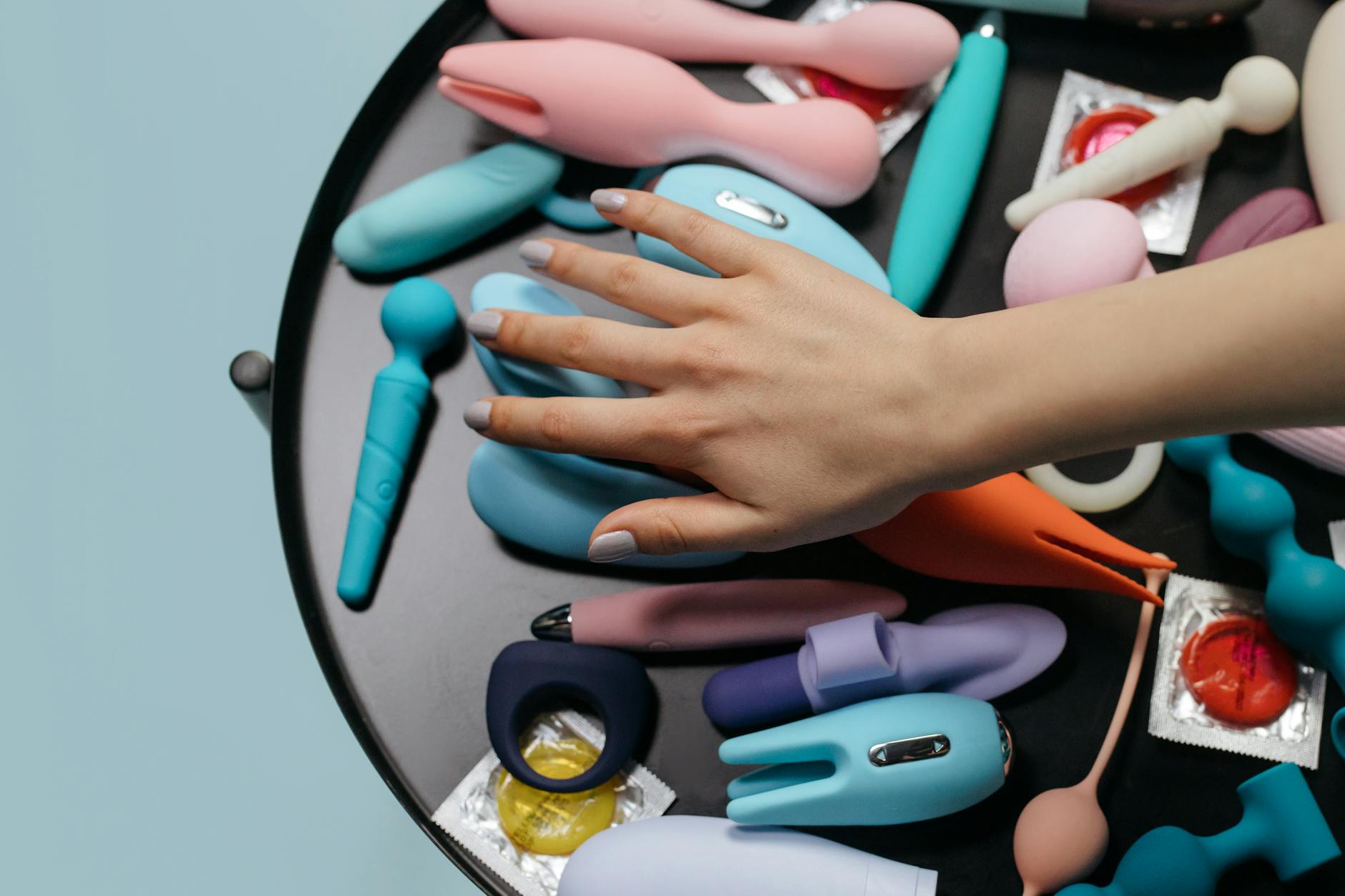
Here's the thing nobody warns you about
When clitoral numbness starts to fade, it doesn't come back all at once. Sensitivity returns in patches, sometimes unevenly. One week your touch receptors feel like they're waking up from anesthesia. The next week they're oversensitive to friction you used to enjoy. This unpredictability throws people off, especially if they've been numb for months or years and got used to not expecting sensation.
The transition from numb to sensitive again is its own recovery phase. And it's where lemon clitoral vibrators make a genuine difference.
Why numbness happened in the first place
Clitoral numbness has a bunch of routes: repeated friction from traditional vibrators, prolonged pressure on the same spot, certain medications (SSRIs, some antipsychotics), hormonal changes, prolonged stress, or even cycling through the wrong toys for your body's current state. If you've been using a standard vibrator at high speeds for extended periods, you can essentially desensitize nerve endings through overuse. It's not permanent, but it takes time to bounce back.
The good news is that clitoral tissue regenerates. Nerve endings recover. But recovery isn't linear, and it requires a different approach than you might think.
Why lemon vibrators work better during sensitivity recovery
Here's the core difference. Traditional vibrators work through direct vibration, which means they're applying consistent rhythmic force to the same nerve endings repeatedly. When you're recovering sensation, that approach can either overstimulate newly sensitive tissue or miss partially numb zones entirely.
Lemon clitoral vibrators use suction and gentle pulsing instead. This matters because suction stimulates nerve endings through negative pressure rather than friction. You're not grinding the same spot over and over. You're drawing tissue gently into the cup and releasing it in a rhythm. For recovering sensation, this is gentler, more nuanced, and often more effective at waking up nerves without triggering numbness as a defensive response.
Many people say that after months of numbness, their first real sensation spike comes with a lemon sucker, not traditional vibrators. That's because the stimulation pattern is fundamentally different.
What to expect during the recovery window
The first few weeks back to sensation can feel weird. Your brain has been operating without that input for a while. When it returns, sometimes it feels almost electric or hypersensitive. Other times it's dull and frustrating at first, then sharpens over a few sessions. Both are normal.
You might also notice asymmetry. The left side might wake up faster than the right. One part of the clitoris might be ready for intensity while another part is still tender. This is fine. Your nervous system is recalibrating, and it doesn't do it on a synchronized schedule.
Most of my clients report that sensitivity stabilizes within 2 to 4 weeks of consistent, gentle stimulation. But "consistent" doesn't mean daily. It means a few times a week, without forcing intensity.
The four-step approach with a lemon vibrator
Step one: Start at the lowest setting. The Lem has multiple intensity levels for this exact reason. Begin at level 1 or 2. You're not trying to reach orgasm yet. You're exploring whether sensation is there and what it feels like. This is information gathering.
Step two: Pay attention to quality, not speed. Spend at least 10 minutes in each session, even if nothing dramatic happens. Your nervous system needs time to recognize the stimulus and activate. Numbness doesn't reverse in 90 seconds.
Step three: Notice the difference between "overstimulation" and "intensity." Overstimulation feels like buzzing without pleasure. Intensity feels like concentrated sensation building toward something. If you hit overstimulation, stop, rest for 2 to 3 minutes, and try again at a lower level. Pushing through overstimulation reinforces numbness.
Step four: Gradually increase only when the lower setting starts to feel predictable. This takes longer than you might expect. You're not rushing. You're following your body's timeline, not your impatience.
Why partner involvement changes things
If you have a partner, this recovery phase is a good moment to involve them, but with clear communication. Many people who've been numb for a while start solo first, then involve their partner once they've reestablished a baseline of what their own sensation feels like without pressure.
The mistake I see couples make is using returning sensation as permission to jump straight back to penetration or old rhythms. That usually backfires. Your clitoris is relearning how to respond. Having a partner who understands "we're rebuilding this slowly" is worth more than having them push for quickies.
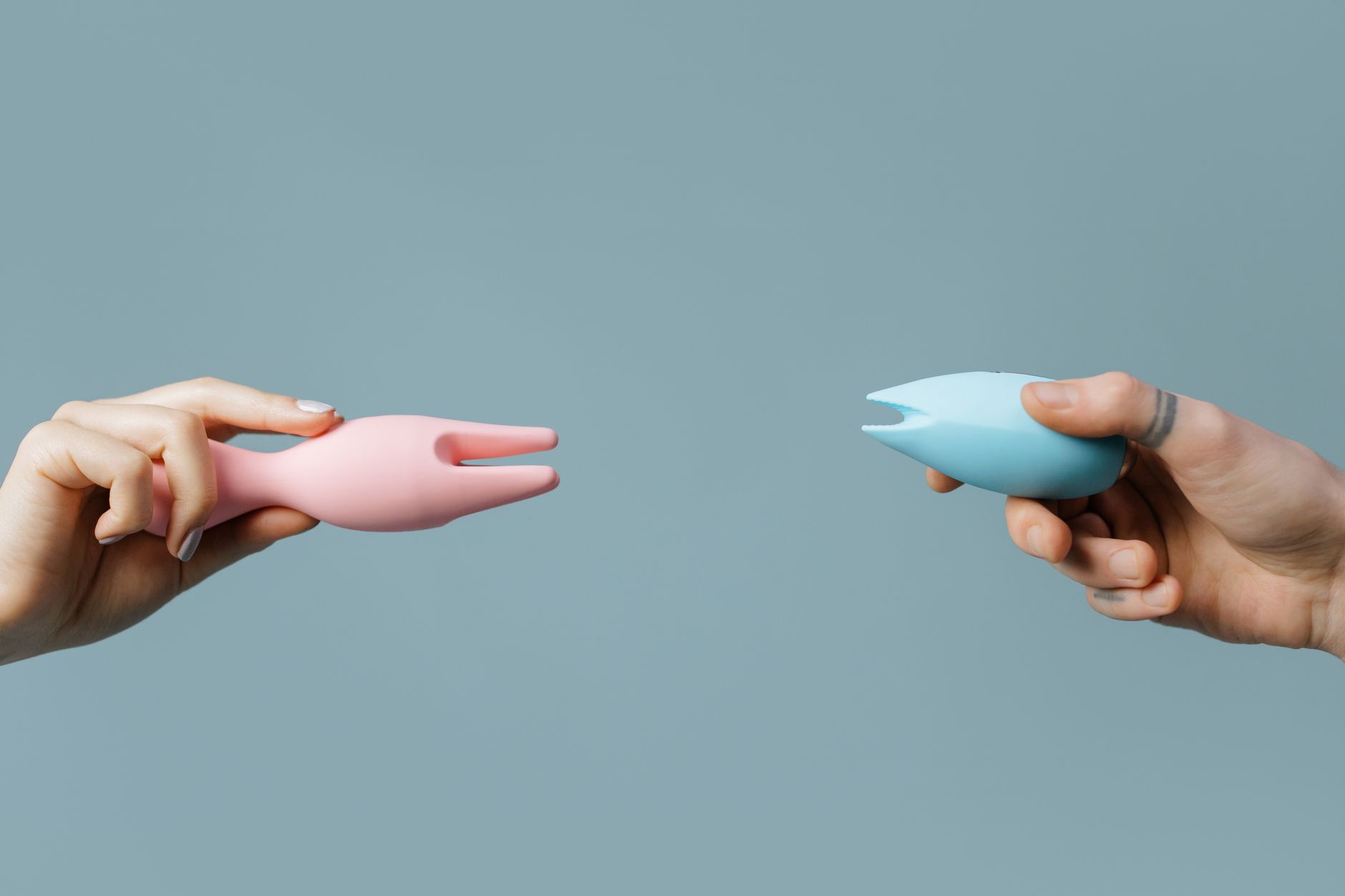
Photo by cottonbro studio on Pexels
When to know if you need professional support
If sensitivity isn't improving after 4 to 6 weeks of gentle, consistent use, or if you're experiencing pain rather than numbness, check in with a pelvic health physical therapist. Sometimes numbness masks underlying tension or nerve damage that needs clinical attention. A therapist can assess whether this is purely desensitization or something structural.
Also, if the numbness was caused by medication, talk to your prescriber. Sometimes switching timing (taking the medication at night instead of morning, for example) or adjusting the dose can help without abandoning the medication entirely.
The emotional piece nobody mentions
Recovering sensation is physically real, but there's an emotional component too. You've been disconnected from your body in this specific way. Reconnecting isn't just mechanical. It can bring up feelings: relief, grief that you lost time, frustration that it didn't come back faster, or even anxiety that it might disappear again.
That's all valid. Pleasure is not separate from your emotional state. If you're anxious about losing sensation again, that anxiety can actually suppress sensation in the moment. So managing that expectation and that fear is part of the recovery work. Being patient with yourself, taking breaks when you need them, and not treating this like a performance issue all help.
FAQ: Sensitivity Recovery and Lemon Vibrators
How long does it typically take for clitoral sensitivity to return?
It varies, but most people see noticeable improvement within 2 to 4 weeks of consistent gentle stimulation. Full recovery to pre-numbness sensitivity can take 2 to 3 months. The timeline depends on how long you were numb, what caused the numbness, and how consistently you're working with recovery. Think of it like physical therapy. Consistency matters more than intensity.
Can I use a lemon vibrator if I'm still partially numb?
Yes. In fact, partial numbness is often the ideal time to start using a lemon sucker. The suction mechanism is gentler than traditional vibration, so it doesn't feel as jarring on numb tissue. And it's often more effective at waking up nerve endings. Start at the lowest setting and treat it as an exploration, not a performance.
Will traditional vibrators make my numbness worse?
Not necessarily, but they're not ideal during recovery. Traditional vibrators apply direct friction, which can feel like nothing if you're still quite numb, or overstimulating if sensitivity is returning unevenly. Lemon clitoral vibrators work better during this transition because they're less likely to trigger the same desensitization pattern that caused the original numbness.
What if suction feels weird or uncomfortable on newly sensitive tissue?
That's common. Your body is relearning a sensation. Try reducing the intensity and spending more time at lower levels. You can also try shorter sessions. If it continues to feel uncomfortable rather than pleasurable over a few sessions, it might just not be the right toy for your recovery. Some people need to rebuild with manual stimulation first, then add tools later. There's no single path.
Can I orgasm during the recovery phase, or should I avoid it?
Orgasm is fine if it happens naturally, but don't push for it as a goal. The pressure to orgasm often backfires when you're recovering sensation. Instead, focus on exploring what feels good without outcome-thinking. Many people find that orgasms come back once they stop trying to force them.
Should I tell my partner about sensitivity changes, or keep it private?
If you have a partner and you're navigating this together, communication is essential. But you get to choose what and when. Some people prefer to do solo work first to understand their own body, then share what they've learned. Others want support from the start. Both approaches work. What matters is that your partner understands this is a process and isn't trying to shortcut it.
What comes after recovery
Once sensation stabilizes, you'll likely notice that lemon vibrators continue to feel different from traditional tools. That's not because you're still recovering. It's because suction stimulation is fundamentally different. Many people who rebuild with lemon suction toys during recovery end up preferring them even after full sensitivity returns. They're not a stepping stone. They're sometimes just a better fit for how your body works.
The real win is rebuilding connection to your own pleasure on your own terms. Numbness was something that happened to you. Recovery is something you're choosing. That shift in agency matters as much as the physical sensation returning.