Let's start with what's really happening
You started a new medication. Within days or weeks, your orgasms changed. Maybe they're harder to reach. Maybe they feel muted. Maybe they take longer, or they're inconsistent. You're not imagining it. New medications reshape arousal pathways in your brain and how your body responds to stimulation. The frustrating part is that your desire might be completely intact while your body's ability to climax feels unreliable.
This gap between wanting sex and being able to finish is one of the most common side effects I see in my practice. And it's fixable. Here's why it happens and how tools like lemon clitoral vibrators work within this new reality.
Why medications change orgasm response
Think of your orgasm pathway like a circuit. SSRIs, SNRIs, birth control, blood pressure medications, and other common drugs tinker with neurotransmitters like serotonin, dopamine, and norepinephrine. These aren't just mood chemicals. They're the signals that tell your body to reach and sustain arousal, find the edge, and cross it.
When medications increase serotonin (which is good for mood, anxiety, or depression), they sometimes dampen the dopamine signals that fire during sexual excitement. Birth control shifts testosterone and estrogen in ways that reduce clitoral sensitivity. Blood pressure meds can reduce genital blood flow. Blood thinners make it harder for tissue to engorge as quickly.
The brain still wants pleasure. The desire is there. But the electrical and chemical signaling that completes the circuit has been rewired. Your body isn't broken. The path to climax has just become longer or steeper.
Why orgasm consistency matters for your mental health
Here's what I tell couples in my office: reliable orgasms aren't a luxury. For many people, they're how the nervous system regulates. An orgasm is a full-body reset. It clears stress, releases dopamine, and builds confidence in your own body. When orgasms become unpredictable, people start avoiding sex altogether, which isolates you from your partner and from yourself.
That isolation then makes the medication feel like the problem, even though the medication is working for depression, anxiety, or blood pressure. You're caught between two goods: the thing you need for your mental health versus the thing that makes sex feel broken.
Lemon clitoral vibrators sidestep this trap by changing the equation. They don't fight the medication. They work with your body's new chemistry to reach climax more reliably.
How lemon vibrators compensate for medication changes
Lemon adult toys like the Lem use air-suction technology, not traditional vibration. This matters because suction works on a different neurological pathway than friction or pressure. When your medication has dulled dopamine signaling for standard stimulation, suction can bypass that and stimulate the clitoral nerves directly through gentle pulsing.
Here's the practical difference: if you were reaching orgasm in 10 minutes before medication and now it takes 45, or you're only orgasming 1 out of 5 times, a lemon sucker adjusts the game. The sustained, rhythmic suction creates a more reliable sensory signal than your hand or traditional vibration alone can provide, especially when your neurotransmitter pathways are quieter.
Think of it like turning up the volume on a signal that medications have turned down. You're not fighting the medication. You're matching the new sensitivity level of your body with a tool that delivers consistent, focused stimulation.
Practical steps to rebuild consistency
Three things to expect when you first use a lemon clitoral vibrator after medication changes.
Start with the lowest setting. Your sensitivity might actually be higher in some places and lower in others. Begin on pattern 1 or 2. Let your body respond before you increase intensity. Many people who think they need strong vibration actually need consistent, gentle suction first.
Give yourself 15 to 25 minutes. Medications slow arousal buildup. Don't expect the same timeline as before. Instead of treating longer arousal as a problem, treat it as information. Your body needs more time to warm up. That's not a failure. That's your new normal with this medication, and you can plan for it.
Track what works. After three or four sessions, you'll notice patterns. Maybe pattern 3 at the Lem gets you there consistently. Maybe you need 18 minutes, not 10. Maybe you respond better in the morning than at night. Write these down. Consistency builds confidence. Confidence builds arousal.
When to talk to your doctor
If orgasms have completely vanished, tell your prescribing doctor. Some medications are known for sexual side effects, and there are real options: dose adjustment, timing changes (like taking your medication after sex instead of before), switching to a different drug in the same class, or adding another medication that counteracts the sexual side effect. These conversations matter, and they're common.
If you've been using a lemon clitoral vibrator for two to three weeks and still can't reach climax, or if you're experiencing pain, that's also worth flagging to your doctor or a pelvic health specialist. The medication might need tweaking, or there might be something else happening that needs evaluation.
Don't wait to have this conversation. The longer you avoid sex because climax feels impossible, the more your nervous system locks into avoidance. Early intervention matters.
Why partners matter in this transition
If you're with a partner, they need to understand this is a medication side effect, not a reflection of their attractiveness or your desire for them. Many people internalize inconsistent orgasms as meaning something is wrong with the relationship. It's not.
What helps: framing it as "my body is adjusting to new medication, and I've found a tool that helps me feel consistent again." Introducing a lemon vibrator into partnered sex isn't a sign you're not satisfied with them. It's you solving a neurotransmitter problem together. That's actually intimate.
If your partner is hesitant about introducing a toy, that's worth a separate conversation about what they're worried about. Usually it's fear of being replaced or doing something wrong. Reassure them that you're solving a medication side effect, and their touch and presence still matter enormously.
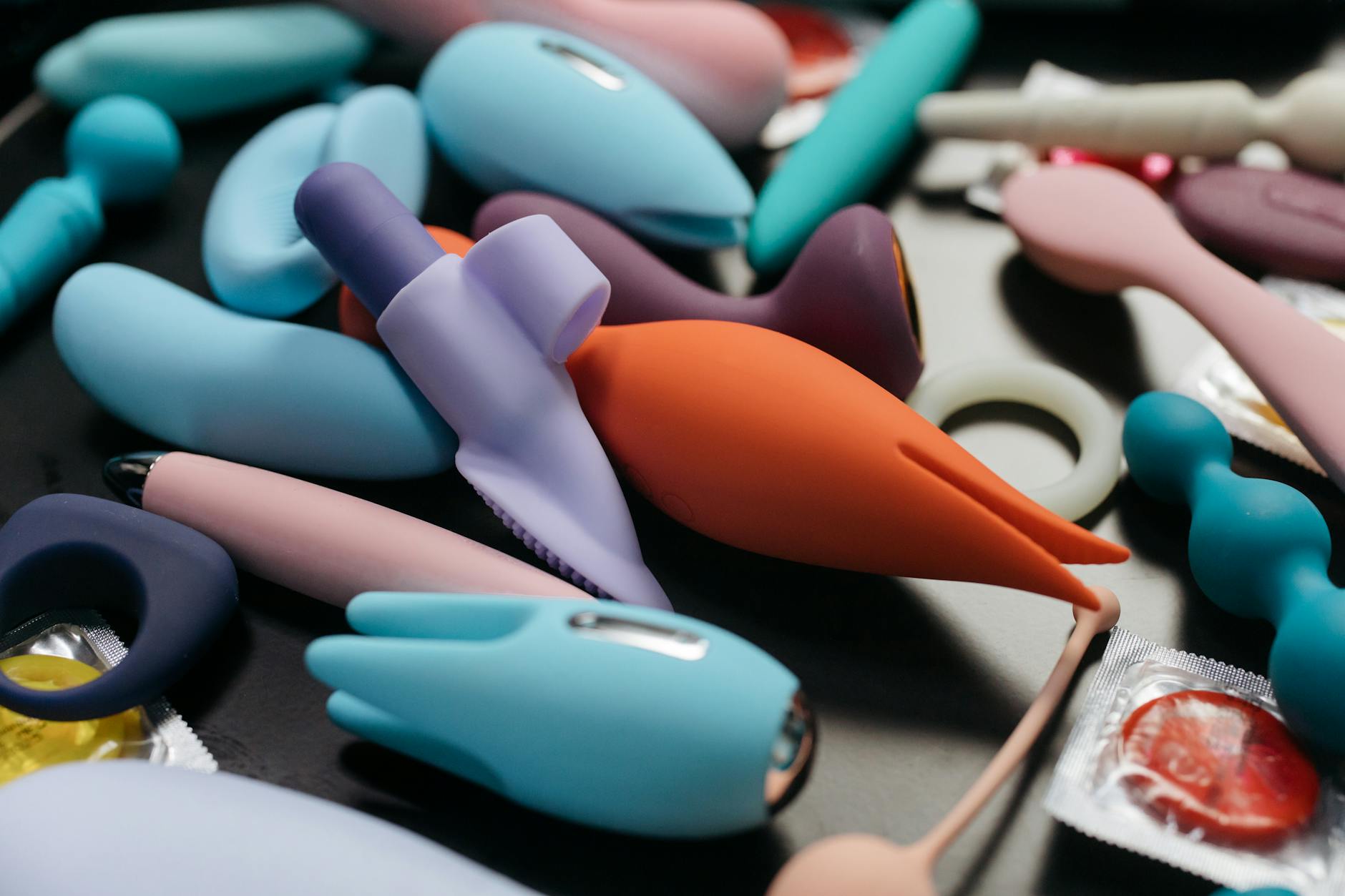
![/images/pexels-images/11635317.jpg]
Photo by IFONNX Toys on Pexels
The timeline to normalization
Your body doesn't adjust to medications overnight, and it doesn't adjust to new tools overnight either. Give yourself at least three weeks of consistent use before you judge whether a lemon vibrator is helping. Some medications take six to eight weeks to reach full effect. Your nervous system might still be recalibrating.
Many of my clients report that by week three or four of pairing the new medication with a reliable tool like a lemon clitoral vibrator, they feel orgasm consistency returning. Not necessarily the exact same as before, but reliable. Predictable. That predictability is what rebuilds confidence and keeps you from avoiding sex.
What happens if you switch medications
One more thing: if your doctor adjusts your medication down the line, your orgasm response will shift again. It might improve. It might change differently. The good news is you now know how to adapt. You've learned how your body responds to medication changes. You have a tool that works. You can apply that knowledge the next time.
Many of my clients find that after managing one medication transition with a lemon vibrator, they feel more empowered to navigate the next one. It's not about being stuck with a tool forever. It's about knowing you can take control of your pleasure, even when your chemistry is working against you.
FAQ: Orgasm changes and medication adjustment
How long does it take for medications to affect orgasm response?
Some medications affect sexual function within 48 hours. Others take two to three weeks. SSRIs and SNRIs can take four to six weeks to show sexual side effects because they take that long to fully build up in your system. If you've just started a medication and your orgasms feel different, it could be the medication, but give it at least two weeks before deciding it's the cause.
Can I use a lemon vibrator while taking medications that affect blood clotting?
Yes, safely. Lemon clitoral vibrators use gentle suction, not aggressive pressure. They don't bruise or damage tissue if used as directed. If you're on blood thinners, just avoid intense pressure that might cause visible marks. If you have questions specific to your health situation, ask your doctor or a pelvic health specialist before your first use.
Will a lemon vibrator make my body dependent on it for orgasms?
No. Tools don't create dependency. Your nervous system responds to consistent, reliable input. Using a lemon sucker helps your body remember what climax feels like. Once that pattern is reestablished, many people find they can orgasm with or without the toy. The toy is a bridge during a difficult transition, not a permanent crutch.
Should I tell my partner I'm using a lemon vibrator to manage medication side effects?
Yes, ideally. The secrecy is often harder than the conversation. Most partners, when they understand it's a medication side effect you're solving together, feel relief. It takes pressure off them to "fix" something they can't fix. It also opens the door to partnered use, which many couples find brings them closer.
What if the lemon vibrator helps but I still can't orgasm with my partner present?
This is common and doesn't mean the medication work is failing. Many people find it easier to climax alone because there's less performance pressure. If you want to reach orgasm with your partner, try introducing the lemon vibrator into partnered sex. Use it together. Let them hold it or watch. This often bridges the gap between solo and partnered response and rebuilds confidence.
Can I use a lemon vibrator if I'm taking antidepressants and blood pressure medication at the same time?
Yes. Multiple medications compound sexual side effects, but they also compound the safety of using tools designed for sensitive tissue. Lemon clitoral vibrators are intentionally gentle. Just start low, go slow, and listen to your body. If you have specific health concerns, your prescribing doctor or a pelvic health provider can give you personalized guidance.
What comes next
Orgasm consistency after medication changes isn't something you have to white-knuckle through or accept as permanent loss. Your body is adapting to a new chemical reality. A reliable tool like a lemon vibrator helps you adapt with it. You're not broken. Your medication isn't breaking you. You're solving for the intersection of mental health and sexual health, which is what maturity looks like.
If you're navigating this transition and want personalized guidance, I'm here to help. Reach out to chat about what you're experiencing and what might work for your specific situation. Your pleasure matters, even when your neurotransmitters are in flux.