Let's name what's actually happening
Vulvodynia, vaginismus, and penetration pain affect roughly one in four women at some point in their lives. That's not rare. That's your friend group. That's you, maybe, right now. And yet most conversations about vulva pain treat it like a minor footnote to sex, when really it's the reason many people avoid sex altogether.
Here's the thing nobody tells you: pain isn't just a sensation. It's also a signal that travels straight to your nervous system, and your nervous system learns. It learns to brace. To anticipate. To protect. After months or years of that loop, your body forgets that touch can feel good. It only remembers that it hurts.
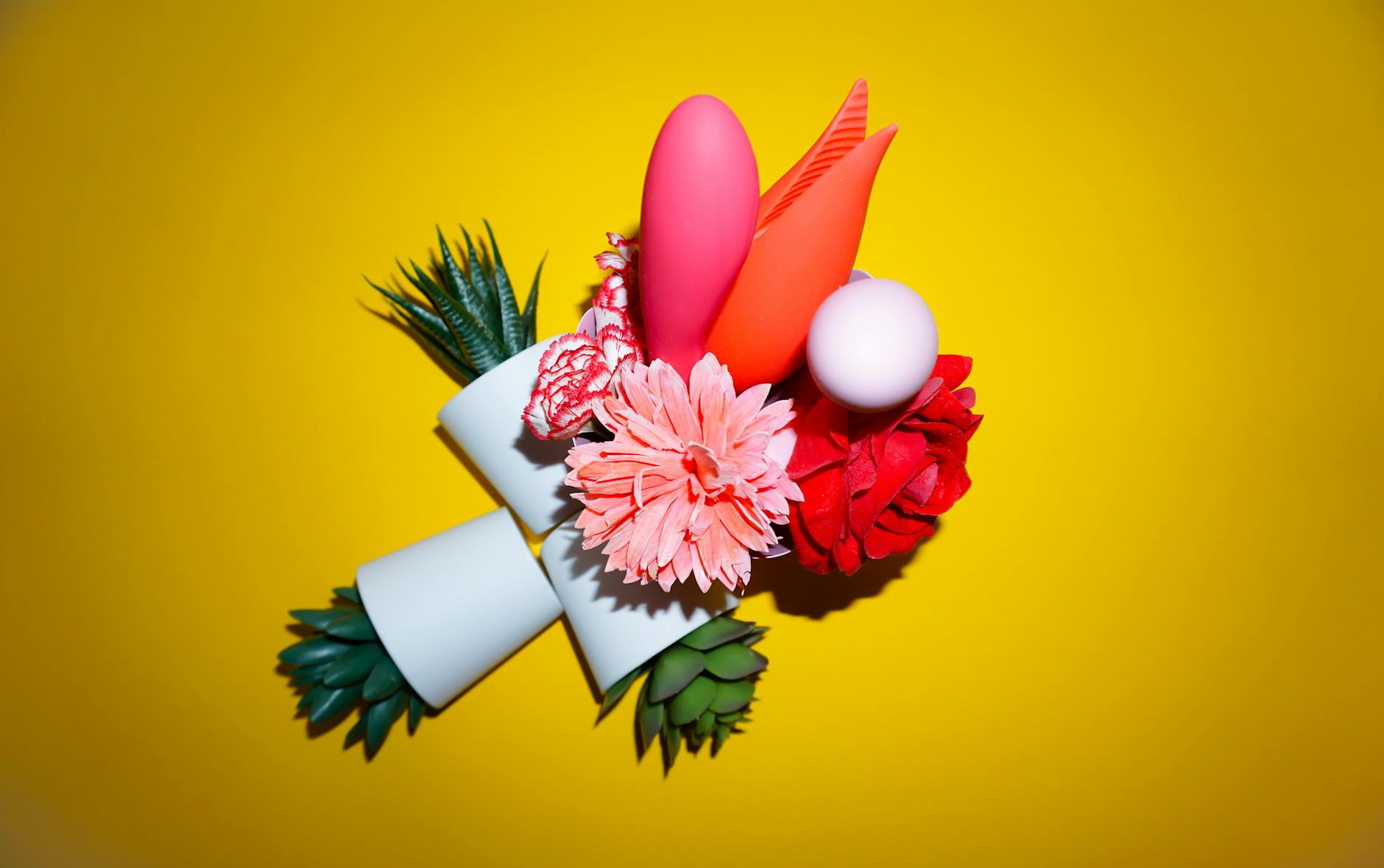
A lemon clitoral vibrator breaks that cycle differently than anything else I've seen work in practice.
Why standard vibrators often fail
Most traditional vibrators deliver high-frequency buzz that stimulates the entire pelvic floor at once. If your nervous system is already in protective mode, that overstimulation makes it worse. Your body tenses further. Pain intensifies. The therapy backfires.
That's why your therapist probably said "just use a vibrator" and it didn't help.
Lemon suction technology works on a completely different principle. Instead of blunt vibration, it uses gentle, rhythmic suction that mimics the sensation of oral sex. The stimulation is localized, controllable, and—critically—it doesn't trigger the protective bracing response in the same way.
When you're working with pain, control matters more than power.
How the lemon vibrator desensitizes the pain response
This is neuroscience, not metaphor. When you experience pleasure repeatedly in a space your nervous system associates with pain, you're literally rewriting the neural map. The brain starts to reorganize what touch means in that area.
Here's the protocol I recommend to clients:
Start with external stimulation only. No penetration. No pressure on the painful site itself. Use the lowest setting on your lemon clitoral vibrator—think of it as a gentle introduction, not an orgasm attempt. The goal is sensation, not climax.
Week one through two: five to ten minutes every other day, external only. Let your nervous system get used to the idea that this touch feels manageable.
Week three through four: if there's no pain, try moving the vibrator slightly closer to sensitive areas, but still external. Still the gentlest setting. Your job is to stay in the zone where pleasure is possible, never in the zone where pain shows up.
After four to six weeks of this, something shifts. The nervous system stops bracing. The tissue itself becomes less reactive. People tell me they can feel the difference in their body—less inflammation, less guarding.
That's when penetration becomes possible again, if that's what you want.
The role of lubrication and time
Vulva pain and inadequate lubrication are often tangled together. When you're in pain, arousal doesn't happen naturally. Without arousal, lubrication doesn't follow. So penetration hurts more, which means less arousal next time. The cycle deepens.
Using a lemon suction vibrator on gentle settings actually increases localized blood flow. That improved circulation supports better lubrication over time. But you have to give it time. This isn't a five-minute fix.
Pair the vibrator with a good water-based lubricant anyway. This removes friction as a variable, so your nervous system can focus on learning that touch equals safety, not pain.
Many of my clients also find that as they practice pleasure without pressure, they stop using quite so much lubricant after a few months. Their body starts remembering how to produce its own. That said, there's zero shame in using lube forever. Use what works.
Why suction feels safer than vibration
Let's go back to the basic physiology. When your nervous system is in a protected state, it's hypersensitive to sharp, sudden sensations. A vibrator's rapid oscillation can read as invasive, even if it's gentle.
Suction has rhythm, yes, but it's gentler and more enveloping. It doesn't invade tissue the way vibration does. It pulls rather than pushes. For a nervous system that's learned to defend, that distinction is everything.
A lemon clitoral vibrator delivers a kind of stimulation that feels more like partnered touch—slower, more predictable, less triggering. Your body can relax into it instead of bracing against it.
What to do when you have a partner
If you're working through pain with a partner, communication changes the game. Here's what I tell couples:
First, separate sex from healing. The retraining work with your lemon vibrator isn't foreplay. It's not something your partner does to you. It's something you do for yourself, often solo, often on a schedule that has nothing to do with your partner's desire.
This distinction matters because partnered sex comes with performance pressure, even if neither of you means for it to. Solo practice removes that pressure. Your nervous system heals faster.
Once the pain response starts shifting, you can then explore partnered touch in very small doses. Still using lube. Still slow. Still communicating what feels okay and what doesn't.
Many couples find that they've learned more about pleasure in three months of this process than in years of conventional sex. That's not a silver lining. That's a genuine second act.
When to see a doctor
If pain is severe, if it's getting worse despite consistent self-care, or if you have burning or persistent inflammation, see a pelvic health specialist. Vulvodynia can have many causes: nerve damage, hormone imbalance, pelvic floor dysfunction, or sometimes something treatable like lichen sclerosus.
A good pelvic physical therapist can assess what's actually going on and rule out structural problems. Then your self-care work, including using a lemon suction vibrator, becomes part of a fuller healing plan.
There's also topical estrogen cream, specialized nerve pain medications, and other options that can help. Use them alongside, not instead of, the nervous system retraining work.
The timeline you should expect
Honestly? Real change takes two to three months of consistent practice. Not because your body is broken, but because your nervous system needs time to reorganize. You can't rush that.
Week one to three: probably no dramatic change. You're just introducing your body to the idea that touch can feel manageable.
Week four to six: if you've been consistent, you'll notice reduced pain or reduced anticipatory anxiety around touch. Small shifts.
Week eight to twelve: larger shifts. People tell me they can touch themselves without pain. Sex becomes possible again, even if it's still careful.
After twelve weeks: many of my clients report that sensation has genuinely changed. Pain has either resolved or become manageable. They've reclaimed their body.
But that only happens if you do the work consistently, which means you need a tool that you actually want to use. That's why a lemon clitoral vibrator works so well here. It doesn't feel clinical. It feels like a gift to yourself, not a medical device.
FAQ
Can I use a lemon vibrator if penetration still hurts?
Yes, absolutely. In fact, you should. The whole point is to retrain your nervous system's response to touch before adding penetration back in. Use the vibrator externally only, on the lowest setting, until your body signals that it's ready for more. That readiness usually shows up as reduced pain, reduced anxiety around touch, or increased natural lubrication. Don't rush it.
How is a lemon suction toy different from a traditional vibrator for pain?
Traditional vibrators use high-frequency oscillation, which can feel invasive to a nervous system that's already in protective mode. A lemon vibrator uses suction, which is gentler, more enveloping, and more similar to partnered oral touch. That gentler stimulation is less likely to trigger the pain response and more likely to help your nervous system relax.
Will using a lemon vibrator reduce my pain permanently?
It can help your nervous system retrain, which means the pain response often improves significantly or resolves. But if your pain has a medical cause—like hormonal imbalance, nerve damage, or tissue inflammation—you might also need medical treatment. A pelvic health specialist can help you figure out what's driving the pain and what combination of treatments will help most.
Is it normal for the vibrator to feel uncomfortable at first?
Yes. If your nervous system associates that area with pain, even gentle touch might feel strange or slightly uncomfortable at first. That's not a sign you're doing it wrong. It's a sign you need to go even slower or gentler. Start at the absolute minimum setting, or even just holding the vibrator (not turned on) near the area to help your body adjust.
Can I use the lemon vibrator during partnered sex?
Absolutely. Many couples use it together as part of foreplay or during penetration. It can actually reduce pain during partnered sex because the suction stimulation helps the pelvic floor relax rather than tense. Just make sure you're communicating with your partner about speed, pressure, and what feels good.
How often should I use the lemon vibrator if I have pain?
I recommend every other day for the first four to six weeks. That's frequent enough for your nervous system to recognize the new pattern, but spaced out enough that you're not overstimulating. After that, use it as often as feels good. There's no upper limit. Your body will tell you when it's had enough.
What if I'm still in pain after two months of using the vibrator?
That's a signal to involve a professional. See a pelvic health physical therapist or a gynecologist who specializes in pain. They can assess whether there's a structural issue, a hormonal component, or a nerve problem that needs additional treatment. The vibrator is part of the healing toolkit, but it's not the whole toolkit for everyone.
You don't have to choose between pleasure and safety
Pain during sex is common. It's also fixable. It takes patience, consistency, and the right approach. A lemon clitoral vibrator, used slowly and deliberately, gives your nervous system a way to relearn that touch doesn't have to hurt.
Your pleasure matters. Your healing matters. And you deserve a tool that respects both.