Here's what nobody tells you about numbness
Reduced clitoral sensitivity is not a permanent dial that's turned down forever. It's often a fixable problem, and lemon vibrators are specifically designed to address it because of how they stimulate nerves differently than other toys.
If you've noticed that your usual go-to isn't working anymore, or that you need more pressure and longer sessions to feel anything at all, you're not broken. You're just dealing with a common friction point (literally and figuratively) that shifts how your body responds to touch.
What actually causes clitoral numbness
Reduced clitoral sensitivity can come from a few different sources, and knowing which one applies to you changes how you fix it.
Nerve desensitization from repetition. If you've been using the same toy with the same pattern and pressure for years, your nerves adapt. They literally stop firing at the same intensity because your body thinks "okay, we've learned this signal already." This is why switching toys or techniques often works surprisingly fast.
Hormonal shifts. Estrogen changes, whether from birth control, perimenopause, or just life stress, affect tissue thickness and blood flow to the clitoris. Less blood flow means less sensitivity. This is temporary and responds well to lemon vibrators because they create suction stimulation, which actively draws blood into the tissue.
Pelvic floor tension. When your pelvic floor muscles stay clenched (from stress, trauma, or just sitting all day), blood can't flow freely to the clitoris. Ironically, tension designed to protect you ends up numbing you. Lemon vibrators combined with conscious relaxation can interrupt this cycle.
Medication side effects. SSRIs, some blood pressure meds, and antihistamines can all reduce sensation. So can topical anesthetics used for other issues. If you've started something new and noticed the change, check the side effects. Many are reversible once you adjust or switch medications.
Skin thinning. If you're past menopause or dealing with reduced estrogen for any reason, the skin on your clitoris thins. This isn't nothing, but it's also not permanent. Topical estrogen creams (applied directly to the clitoris, prescribed by a menopause-savvy gynaecologist) can restore thickness in weeks.
Why lemon vibrators work differently for reduced sensation
Most vibrators buzz. They create high-frequency vibration, which is fantastic for nerves that are already responsive. But when sensitivity is low, straight vibration often doesn't break through that threshold.
Lemon sucker vibrators use air-pulse or suction technology. Instead of vibrating, they create a rhythmic sucking motion that pulls gently at the clitoral tissue. This does three things that regular vibrators don't:
1. Creates a physical pressure change. Suction actively draws blood into the clitoris by creating a pressure gradient. With reduced sensitivity, you need that incoming blood flow more than you need frequency. The Lem vibrator specifically delivers this without being overwhelming on tissue that's already been over-stimulated.
2. Engages different nerve pathways. Your clitoris has around 8,000 nerve endings, but they're organized into clusters that respond to different types of stimulation. Pressure and suction activate different clusters than vibration alone. When one pathway is tired, switching to another often reignites sensation immediately.
3. Allows for longer sessions without fatigue. Because suction is gentler and more rhythmic than buzzing, you can use lemon clitoral vibrators for 20, 30, even 45 minutes without your hand cramping or your clitoris feeling raw. Extended time + varied intensity levels = your nervous system has more chances to wake up.

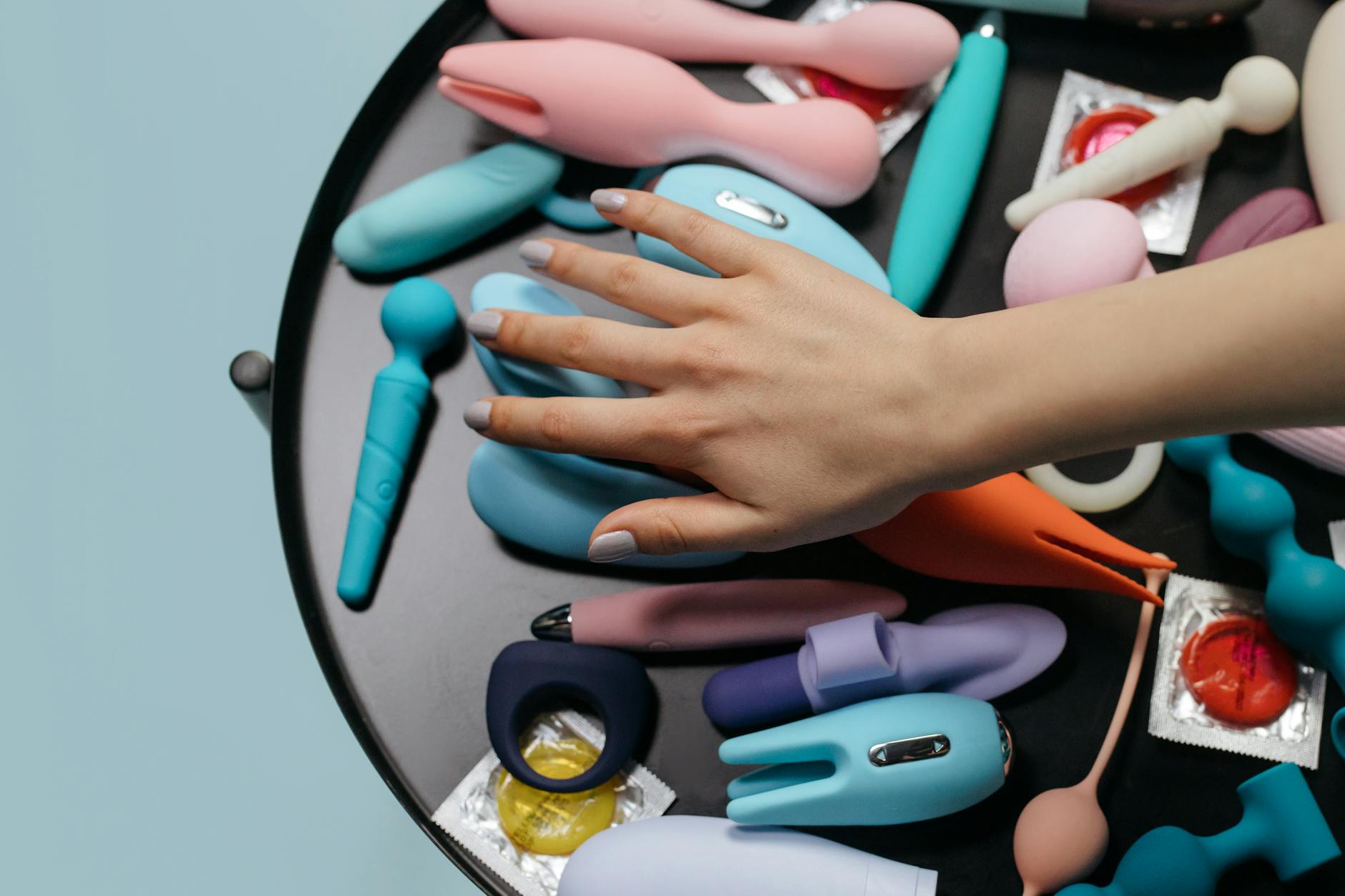
Photo by cottonbro studio on Pexels
The strategy for rebuilding sensation
If you're dealing with reduced sensitivity, here's what actually works:
Start low, not high. Your instinct might be to crank the intensity immediately. Don't. Begin at pattern 1 or 2 on your lemon vibrator. Your goal is to reintroduce sensation gently, not to shock your nerves into compliance. Think of it like waking someone up slowly instead of with a horn.
Warm up first, always. Spend 10 to 15 minutes with hands or a partner's hands or lips before you introduce any toy. Get blood flowing. Let your nervous system know that pleasure is coming. This small step changes whether your clitoris "hears" the toy or ignores it.
Use lube, even if you never did before. Water-based lubricant reduces friction and allows the suction sensation to work more effectively. It also makes your skin slightly more responsive because it changes the pressure dynamics. Your clitoris is designed to be wet.
Vary the pattern every 3 to 5 minutes. Don't stay on one setting and push. Switch between patterns, change the intensity, move the toy slightly. This prevents the numbing adaptation that happens when one nerve cluster gets overstimulated. It's the opposite of what you've been doing.
Combine it with breathing and mental focus. This isn't mystical. When you breathe deeply and actually pay attention to what you're feeling instead of scrolling or thinking about email, your brain's sensory cortex lights up more vividly. Reduced sensitivity often has a mental component. Attention changes what you perceive.
When it's time to involve your partner
If you have a partner, this is an excellent moment to loop them in. Not because they fix it (they don't), but because they can help you break old patterns.
Hands are often the problem. If you've been using the same hand position, the same pressure, the same everything for years, switching to lemon sexual toys gives you novelty. But a partner can also introduce novelty through touch, temperature changes, and unpredictability.
The conversation doesn't need to be heavy. You could say: "I've noticed sensation's been less responsive lately. I want to rebuild it together. Let's try some new approaches." That's it. Specificity kills shame.
Many couples find that rebuilding clitoral sensitivity is the beginning of a whole new sexual dynamic, because you're both learning together instead of defaulting to what you've always done.
The timeline for improvement
This varies, but here's what I usually see:
Week 1-2: You might feel nothing, or barely anything. This is normal. You're retraining your nervous system. Keep going.
Week 2-3: Small sensations start appearing. A tingle. A moment where the toy actually feels good instead of just... there. Don't judge this. Notice it.
Week 3-6: Significant improvement. You can feel the different patterns. Intensity levels become meaningful. Orgasms often return or shift in character.
Week 6-12: Baseline sensitivity is back. You might discover that you actually prefer certain lemon clitoral vibrator patterns to what you used before, because your nervous system has learned new pathways.
If you're not seeing improvement by week 3, check for other variables. Are you actually relaxing your pelvic floor? Are you using lubrication? Did something else change (new medication, new stress level) that might be contributing? Sometimes the answer is seeing a pelvic floor physical therapist or a menopause specialist, not just trying harder.
The role of relaxation, seriously
Pelvic floor tension is one of the biggest hidden culprits behind reduced sensitivity, and it's the one nobody talks about.
Your pelvic floor muscles sit below your clitoris, bladder, and uterus. When they're tight (which happens from stress, trauma, sitting too long, or years of holding tension), blood can't flow freely into the clitoral tissue. Reduced blood flow = reduced sensitivity. It's physics.
Before using your lemon vibrator, spend 2 to 3 minutes consciously relaxing these muscles. Press your sit bones down into the chair. Breathe into your belly, not your chest. Imagine the pelvic floor softening like a flower opening. This sounds silly, but it works because tension is often unconscious. You have to make it conscious to release it.
If pelvic floor tension is significant, a pelvic floor physical therapist can teach you exercises that actually address the root cause. It's not a long-term commitment, usually 4 to 8 sessions.
When to see a specialist
If reduced sensitivity came on suddenly or if it's paired with pain, don't wait to see someone. A gynecologist trained in sexual health or menopause medicine can rule out underlying issues like genitourinary syndrome of menopause or nerve compression.
If it came on after a medication change, talk to your prescriber before stopping anything. Sometimes there's an alternative that doesn't affect sensation.
If you've been rebuilding for 6 weeks and seeing zero change, get checked. Reduced sensation can occasionally signal something that needs medical attention, though it usually doesn't.
Most of the time, though, reduced clitoral sensitivity is a communication problem between your nerves and your toy. Lemon vibrators are specifically built to reopen that conversation. You just have to give them time and a little patience.
People also ask
Why do lemon vibrators work better than regular vibrators for reduced sensitivity?
Lemon sucker vibrators use air-pulse suction instead of high-frequency buzzing. When sensitivity is low, suction creates a physical pressure change that actively draws blood into clitoral tissue and engages different nerve pathways than vibration alone. They also allow for longer sessions without causing hand fatigue or over-stimulation, which gives your nervous system more time to respond.
How long does it take to regain clitoral sensation?
You might notice small improvements within 2 to 3 weeks, with significant improvement by weeks 3 to 6. Full baseline sensation typically returns within 6 to 12 weeks, depending on what caused the numbness. If you're not seeing change by week 3, check whether pelvic floor tension, lubrication use, or medication side effects might be contributing factors.
Can pelvic floor tension really cause clitoral numbness?
Yes. Tight pelvic floor muscles restrict blood flow to the clitoris, which directly reduces sensation. Before using any clitoral vibrator, spend 2 to 3 minutes consciously relaxing your pelvic floor through deep breathing and gentle mental focus. If tension is significant, working with a pelvic floor physical therapist can address the root cause in 4 to 8 sessions.
Is reduced clitoral sensitivity permanent?
No. It's almost always reversible, though the timeline depends on the cause. Hormonal shifts, medication side effects, pelvic floor tension, and nerve desensitization from repetition can all be addressed through lemon vibrators, relaxation techniques, and sometimes medical intervention like topical estrogen or therapy.
What should I do if reduced sensitivity started after taking a new medication?
Talk to your prescriber before stopping anything. Many medications (like SSRIs and antihistamines) can reduce sensation, but alternatives exist. If changing medication isn't an option, lemon clitoral vibrators combined with relaxation techniques and extended warm-up time can help compensate while your body adjusts.
Should I involve my partner in rebuilding clitoral sensitivity?
It can help. A partner brings novelty through touch, temperature, unpredictability, and the simple fact that hands and mouths can do things toys can't. The conversation is straightforward: "Sensation's been less responsive, and I want to rebuild it together. Let's try some new approaches." Many couples find this is the start of a whole new sexual dynamic.
The bottom line
Reduced clitoral sensitivity is not a life sentence. It's a signal that something needs to shift, whether that's your toy, your technique, your relaxation level, or a conversation with a healthcare provider. Lemon vibrators are specifically designed to work when sensitivity is low because they engage your nervous system differently than standard vibrators.
Start low, stay consistent, give it time, and be honest about what's working and what isn't. Your clitoris wants to feel good. Sometimes it just needs a new invitation.
If you're ready to rebuild sensation and want guidance specific to your situation, reach out to us. We're here to help.