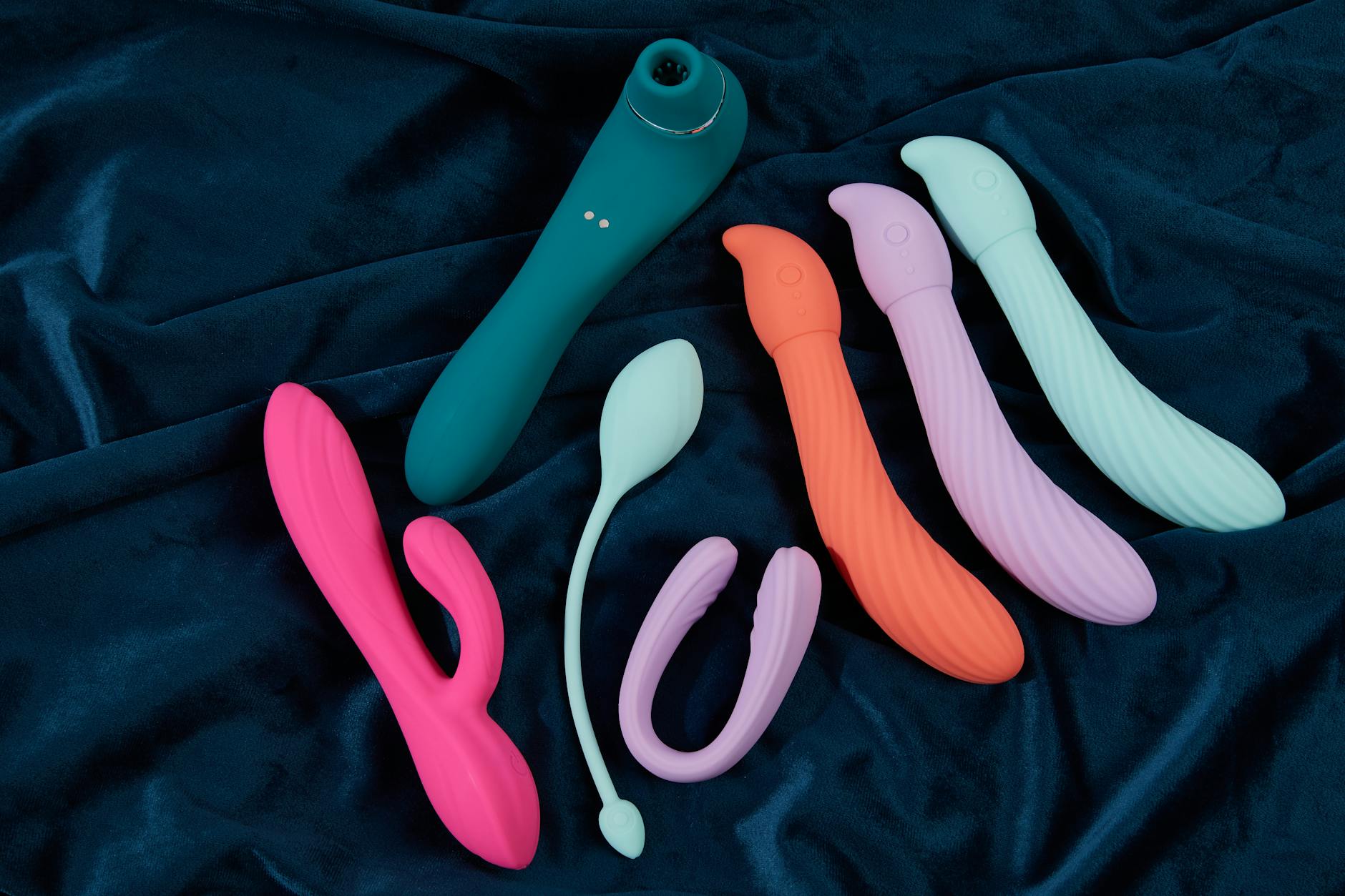
How Lemon Vibrators Help Restore Pleasure When Antidepressants Numb Your Response
SSRIs flatten arousal and delay orgasm. Here's why suction-based clitoral vibrators like the Lem cut through medication fog better than traditional toys.
Antidepressants save lives. They also flatten sexual response in ways that nobody warns you about clearly enough. SSRIs and SNRIs (the most commonly prescribed types) numb arousal, delay or prevent orgasm, and make pleasure feel muted or unreachable. If you're on one of these medications and suddenly orgasms take 45 minutes instead of 10, or they feel like watching someone else's pleasure through a glass wall, you're not broken. Your brain chemistry just changed.
Here's the thing though: numbing doesn't mean you can't orgasm again. It means you need a different approach. And for many people, that approach is a lemon clitoral vibrator.
SSRIs work by increasing serotonin availability in your brain. That's wonderful for mood, anxiety, and panic. But serotonin also dampens the sexual response system. The mechanism is straightforward: higher serotonin = lower dopamine and noradrenaline activity in the circuits that drive arousal. Your brain literally doesn't get as excited about sex, and your body takes longer to respond to stimulation.
The clinical term for this is "antidepressant-induced sexual dysfunction," which sounds sterile but describes something real: medication that helps your mental health can simultaneously suppress the neurological pathways for pleasure. Studies show it happens in 40-60% of people taking SSRIs, though many patients don't report it because they assume it's their fault or because their doctor didn't ask.
What makes it especially frustrating is that lowering the dose or switching medications doesn't always help. And sometimes, the trade-off is worth it. You can't have orgasms if you're having panic attacks at 3 a.m. So the question becomes: how do you work with what you have?
Standard vibrators rely on vibration frequency to stimulate nerve endings. They're effective when your nervous system is already primed, but when you're on an SSRI, your arousal threshold is higher. You need more sustained, more intense stimulation to register anything. Conventional vibrators can feel like tapping on a wooden table when you're numb. You can feel it happening, technically, but there's no chain reaction.
Lemon vibrators work differently. They use air-suction technology that creates a gentle, rhythmic pulse rather than buzzing. This type of stimulation activates a different set of nerve pathways than vibration alone. Instead of trying to jolt your system awake, suction builds sensation gradually and consistently. For people whose pleasure response is muted by medication, this matters enormously.
The lem vibrator, specifically, offers variable intensity levels and pattern combinations that let you dial in exactly the right amount of sensation. You're not locked into a one-size-fits-all buzz. You can start gently, build slowly, and adjust as you go.
When arousal is suppressed by SSRIs, what you need is consistent, building stimulation that doesn't rely on vibration speed to feel good. Suction-based stimulation (like what you get from a lemon clitoral vibrator) creates a seal around the clitoris and pulses gently. This mimics the sustained pressure and rhythm that builds arousal more naturally.
Think of it this way: a standard vibrator is like rapid-fire tapping. A suction toy is like a slow, steady massage that builds. The second option works better when your nervous system isn't already halfway there.
Another advantage: because suction doesn't rely on speed to create sensation, it works well at lower settings. This is huge when you're medicated. You can use gentler, longer sessions without that high-frequency vibration that can actually numb tissue further after prolonged use.
If you're on an antidepressant and want to restore pleasure, here's what I recommend to my clients:
Start with lower intensity settings. Even though you're numb, don't jump straight to maximum. Begin at pattern one or two on your lemon vibrator and let it build. Your body will respond better to gradual escalation than shock tactics.
Budget 20-30 minutes. Medication-induced numbness means arousal takes longer. Don't expect quick results. Give yourself real time and headspace.
Use lubrication. Antidepressants can also reduce natural lubrication (they affect more than just arousal), so water-based lube is essential, even if you wouldn't normally need it. This removes one friction point and lets you focus on sensation.
Combine solo time with mental focus. The numbness is partly physical and partly psychological. When your brain isn't getting dopamine hits from sex, it's easier to dissociate. Combat that by staying present. Close your eyes, pay attention to sensation, avoid multitasking or distraction.
Talk to your doctor before switching medications. If the side effect is severe enough, sometimes switching to a different class of antidepressant helps. Bupropion, for example, has fewer sexual side effects than SSRIs. It's worth discussing, though not all medications work for all conditions.
You deserve to enjoy sex while you're on medication that keeps you stable. If sexual numbness is significantly affecting your quality of life or your relationship, that's worth a clinical conversation. Don't just tolerate it. Options include:
Switching to a lower dose (if your condition allows).
Adding another medication that can counteract sexual side effects (yes, this is a thing).
Switching to a different antidepressant altogether.
Timing your doses differently (some people take their SSRI at night instead of morning to minimize daytime effects).
Your doctor needs to know this is happening. Most won't ask if you don't bring it up, but they should have solutions to discuss.
Here's what I see a lot: someone gets on an antidepressant, pleasure flattens, and they start internalizing it as personal failure. "I'm broken. I can't do this anymore." The medication is actually working (you're stable, you're sleeping better, you're not spiraling), but the cost feels too high.
That narrative needs to shift. Medication-induced sexual side effects are a side effect, not a character flaw. Your capacity for pleasure is still there. Your nervous system just needs different conditions to access it.
Using a lemon clitoral vibrator isn't settling. It's working with your body as it actually is right now, not as you wish it were. And for many people, that shift in approach opens the door again.
Lemon vibrators and lemon sexual toys aren't just marketing terms. The lem vibrator's design (suction, variable patterns, ramp-up capability) was specifically engineered to work with bodies that have dampened sensitivity. Whether that dampening comes from medication, age, prior numbness, or just variation in how your nervous system is wired, the engineering principle is the same: build sensation gradually and let the body respond.
Antidepressants can flatten pleasure, but they don't erase your capacity for it. Sometimes you just need tools that work differently.
If you're taking an antidepressant long-term, pleasure recovery isn't a one-time fix. It's an ongoing conversation between you, your body, your medication, and your partner (if you have one). Some people find that after a few months on a stable dose, sensitivity starts returning slightly. Others plateau and learn to work with that. Either way, having a tool like a lemon clitoral vibrator means you're not locked out of the pleasure conversation while you wait.
For couples navigating this, here's what helps: approach it as a logistics problem to solve together, not a failure to mourn. "How can we find what works now?" is a better question than "Why isn't it like it used to be?" You might discover patterns or approaches that actually feel better than what came before.
You're not broken. Your medication is working. Your pleasure pathway just needs a different entry point.
Sometimes, yes. Some people notice sensitivity returning after three to six months as their body adjusts. Others plateau and don't recover without a medication change or dose adjustment. It depends on the specific SSRI, your dosage, how long you've been on it, and individual factors like stress level and relationship dynamics. The only way to know is to give it time (at least three months) and then reassess with your doctor.
Lemon clitoral vibrators and other suction-based toys tend to work better than traditional bullet vibrators for medication-dampened arousal because they create sustained sensation rather than relying on vibration speed. That said, everyone's nervous system is different. Some people respond better to firm, constant pressure (which a curved wand might provide). The best approach is to experiment and find what your medicated body actually responds to, rather than assuming any one toy will fix it.
Generally yes, but talk to your doctor if you're on multiple medications that affect sexual function. Some combinations amplify numbness, and your prescriber might suggest adjustments. Lemon vibrators themselves are safe with all medications. The question is whether the tool will help enough or whether you need a medication-level intervention too.
Give the medication at least two to three weeks to stabilize before drawing conclusions about sexual side effects. Wait at least three months before assuming the numbness is permanent. In the meantime, exploring tools like lemon sexual toys doesn't hurt. You're gathering information about what your body needs right now.
Yes, if you have a partner. This is a physiological issue, not a relationship problem, but your partner will notice the change. Framing it as "my medication affects my arousal, so we might need to approach things differently" opens a conversation rather than creating silent confusion. Many couples find that working through this together actually deepens their connection and communication.
Absolutely. Your pleasure doesn't take a vacation because you're traveling. Pack it as you would any other personal care item. If you're flying internationally, check local laws (some countries have restrictions on adult toys), but within most countries and definitely within the US and UK, bringing a lemon clitoral vibrator is completely fine.
Antidepressants can numb pleasure, but they don't erase it. When medication affects your arousal and orgasm, a lemon vibrator offers a practical path forward. Suction-based stimulation, gradual intensity building, and variable patterns all work with how your medicated nervous system actually functions. Pair that tool with a conversation with your prescriber and some patience with yourself, and you can restore pleasure even while staying on medication that keeps you stable.
Your mental health matters. Your sexual pleasure also matters. You don't have to choose between them.