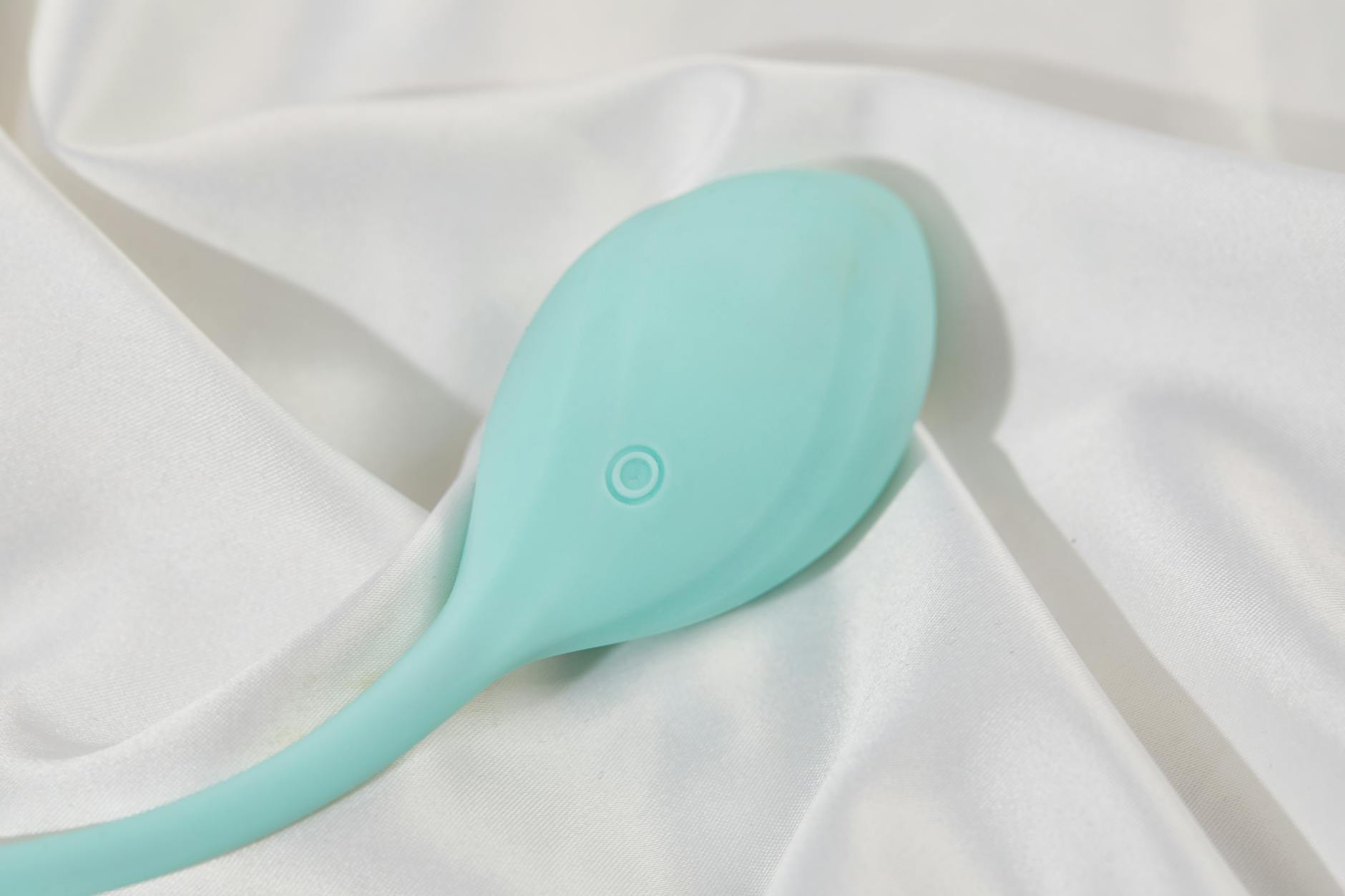
Let's talk about what nobody asks at checkout
You buy one lemon vibrator. Two people want to use it. This is not a weird problem. It's actually the most common thing, and also the thing that causes the most relationship friction because couples skip the conversation part and go straight to the practical part. Both matter.
Here's what I see in my practice: one partner uses it, then the other does an hour later, nobody talks about it, and suddenly there's tension around desire, cleanliness, or boundaries that feels like it came out of nowhere. It didn't. It came from assuming that a shared device is automatically a shared experience. It isn't.
The hygiene piece is non-negotiable
A lemon clitoral vibrator is silicone. Silicone is porous enough to hold bacteria if you're not careful, but also forgiving if you're intentional. Here's the protocol that keeps everyone safe:
Between immediate uses (same session, same person coming back): Rinse with warm water and pat dry. That's it. Takes 20 seconds.
Between different people: Wash with warm water and mild soap, dry completely with a clean towel, and ideally let it air-dry for another minute or two. If you're using barrier methods (condoms), the lemon suction technology still works through them, and this actually simplifies cleanup. You can skip the soap step entirely and just rinse.
Weekly if it's sitting out: A quick rinse and dry. Bacteria need moisture to thrive, so keeping it completely dry is your real protection.
The thing that gets couples is that this feels tedious. It's not. It's 60 seconds twice a week. Compare that to the amount of mental energy you'll spend arguing about whose turn it is or whether it's actually clean. Suddenly the 60 seconds looks like a gift.
The pleasure adjustment nobody predicts
Here's where couples get surprised: a lemon vibrator feels wildly different depending on who's using it and how their body responds.
One partner might need the device on pattern 3 for 30 seconds to feel something. The other might want patterns 1 and 2 extended, with longer pauses between pulses. Neither person is wrong. Their nervous systems are literally asking for different things. But if the first person leaves it on pattern 3 and hands it over, the second person gets a jolt they didn't choose, and suddenly there's a micro-resentment.
The fix is stupidly simple: reset the device. Every single time it switches hands, start over at pattern 1. Let the new person control the speed and rhythm from the beginning. This takes five extra seconds and eliminates the "why did you leave it like that" conversation entirely.
I also see partners get tense because one person seems to "need more" than the other. Here's the clinical reality: need doesn't live in the device. It lives in arousal, stress levels, medication, how much they've been touched recently, and whether they feel emotionally safe. A lemon vibrator is a tool, not a thermometer of desire. If your partner needs longer warm-up time, that's not a flaw. That's information about what they need from you.
The communication pattern that actually works
Most couples approach a shared lemon vibrator like it's a toothbrush: "I'll use it, then you use it." Transactional. Zero dialogue.
Try this instead:
Before you use it together: Have a five-minute conversation. Not about pleasure or desire. Just logistics. "When do you like to use this? Do you want it after we've been intimate, or separate from that? Do you want privacy, or does it turn you on if I'm nearby?" These are not emotional questions. They're practical. But they prevent the weird disconnect that happens when partners feel like their pleasure is surprising or interrupting the other person.
If you're in the same session: The person not currently using the device doesn't have to perform interest. But they also shouldn't leave the room or start scrolling. Just be there. Touch your partner. Maybe narrate what you're noticing ("your breathing just changed" or "I love watching you like this"). For some couples, this becomes the real intimacy moment. For others, it stays straightforward. Both are fine.
If you're using it separately: Text each other afterward if you want. Or don't. But don't ask "did you use it today?" like you're checking for evidence. That's surveillance energy, not partnership energy. If they want to tell you, they will.
When one partner needs to opt out
Sometimes a shared lemon vibrator works great until it doesn't. One partner might feel less interested. The other might feel rejected. This is where I see couples make the mistake of staying loyal to the "shared device" concept when what they actually need is two devices.
If a lemon clitoral vibrator was working fine and then suddenly one person's using it way more than the other, that's not a signal to keep pushing the shared narrative. That's a signal that your pleasure rhythms have shifted. This happens all the time. Jobs get stressful. Kids arrive. Hormones change. Medication changes. A million things affect desire.
The solution is not to make the less-interested partner feel guilty. It's to get a second device. A lemon vibrator costs under $100. The cost of ongoing resentment is infinite. Also, giving your partner their own device is actually weirdly romantic. It says "your pleasure matters enough that I want you to have something just for you."
Storage and access (the small thing that matters)
One partner keeps the shared lemon vibrator in their nightstand. The other has to ask for it. This creates an unspoken power dynamic that feels small but compounds.
If you're genuinely sharing, keep it somewhere you both can reach without asking. A drawer in the bedroom that you both access. A bathroom cabinet. Somewhere neutral. This removes the "do I have permission to use this" question that quietly undermines pleasure.
If you're storing it, make sure it's dry and in a pouch or drawer, not sitting out. Dust and lint don't cause infections, but they're gross.
The money conversation (yes, really)
If one partner is using the lemon vibrator way more, and it affects longevity or wear, the other person might feel resentful about having paid for something they're not using. This is real.
If the cost was split, and usage is unbalanced, the fairest move is to acknowledge it: "I'm using this way more than you. I want to replace it when it wears out, and I'm happy to cover that cost." If the cost wasn't split, and one person bought it for both of you, the person using it more might say: "Thank you for getting this. If you ever want one yourself, I'd love to split a second one."
Money and pleasure get tangled in weird ways in relationships. Untangle them by being direct.
FAQ
Can you share a lemon vibrator if you're not in a committed relationship?
Yes, with one caveat: use condoms over the device if you're switching between different partners. Silicone doesn't tear easily, and condoms stay in place over the rounded design of a lemon clitoral vibrator. Wash the device after the condom comes off. This keeps everyone safe without requiring soap and water between every use.
Does a lemon vibrator wear out faster if two people use it?
Not significantly. A lemon suction vibrator is built for regular use. The motor and battery will last roughly the same amount of time whether it's one person using it daily or two people using it a few times a week. The silicone exterior doesn't degrade from being used by different people, as long as it's dried properly between uses.
What if one partner wants to use it while the other is home but trying to sleep?
Talk about it plainly. A lemon vibrator is quieter than most traditional vibrators, but it's not silent. If your partner sleeps light, using it in the living room, the bathroom, or headphones-on time might work better than doing it in bed next to them. This isn't rejection. It's consideration. And it's a conversation, not a rule.
Is it weird to use a lemon vibrator together at the same time?
Nope. Some couples love it. You can take turns stimulating each other, or use it on one person while the other is penetrating, or just both use it on yourselves in the same room. The lemon clitoral vibrator is small enough that it doesn't take up much space. Plenty of couples make this their whole rhythm. Others never do. Neither choice is more intimate.
How do you know if your partner is comfortable with a shared lemon vibrator?
Ask. "Would you want to use this sometimes too, or would you rather have your own?" That's it. If they say they want their own, that's not a rejection of you. It's a boundary, and boundaries are actually the most sexy thing in a relationship because they mean someone feels safe enough to tell you what they need.
What if sharing a lemon vibrator is actually killing the mood?
Stop sharing it. Get two. Seriously. If a device that's supposed to bring pleasure is instead creating tension, the device isn't the problem. The sharing structure is. And that's easy to fix. The sexiest couples I know have their own devices and keep them private, even from each other. Zero guilt, zero negotiation, zero performance. Just pleasure.
The real issue is always communication
A lemon vibrator doesn't have feelings. Your partner does. The device is just the thing you're using to figure out how to talk about pleasure, access, desire, and boundaries in a way that feels good to both of you. Some couples nail this. Others need to build it slowly. Either way, the conversation is the whole point. The hygiene and the logistics are just the container it happens in. Start there, and everything else follows naturally.