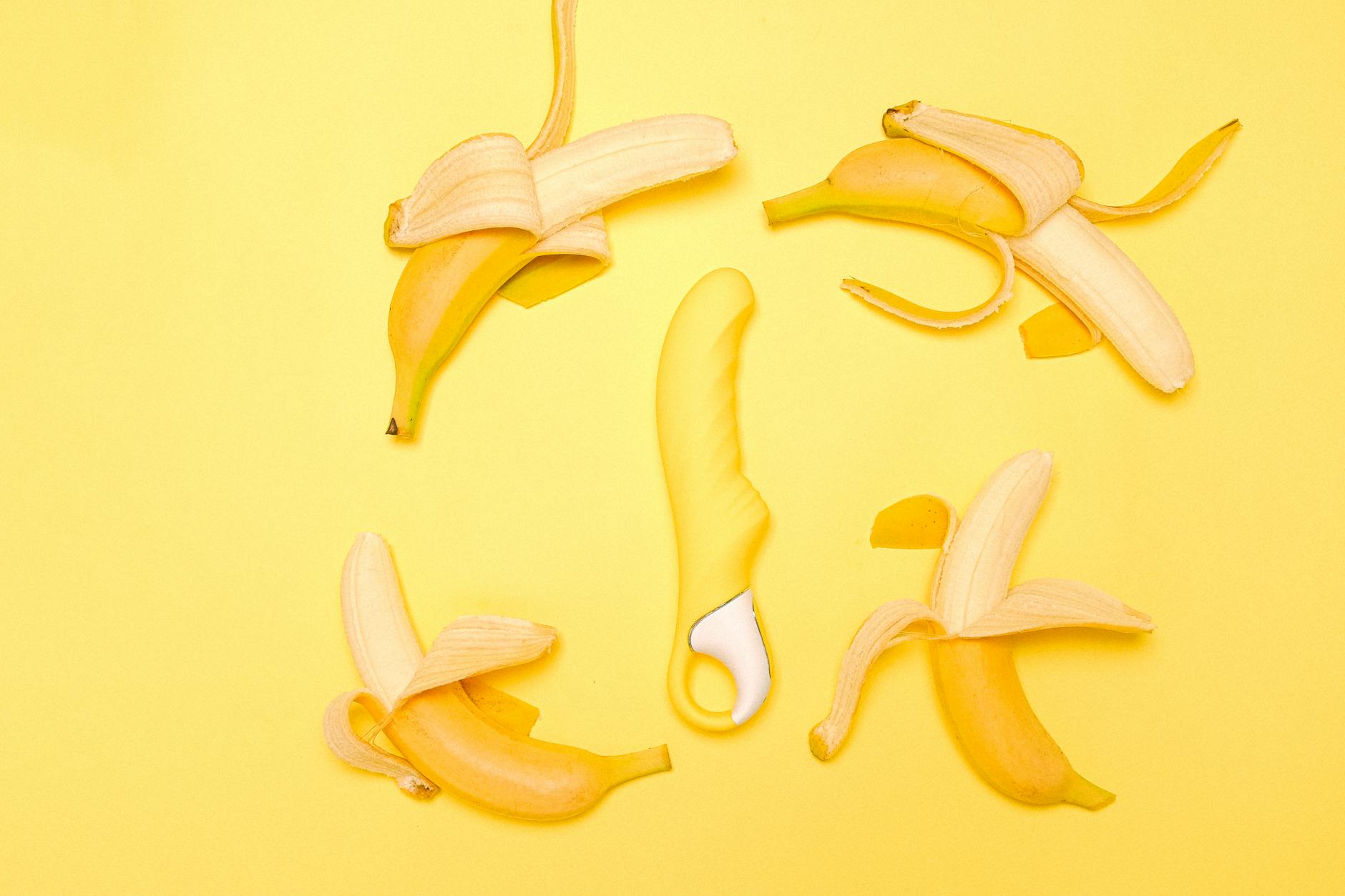
Let's talk about what actually happened to your body
Pregnancy and birth rewired your nervous system, shifted your pelvic floor, altered your hormone levels, and changed the sensitivity of your most responsive tissue. If you're wondering why your lemon clitoral vibrator feels nothing like it did before, or why arousal suddenly requires patience you didn't need six months ago, you're not broken. You're postpartum.
The tricky part is that most people don't get a roadmap for this transition. You get instructions on wound care or healing timelines. You don't get told that pleasure feels different, that reconnecting takes intention, or that the right tools (like a lem vibrator) can actually help you navigate this change instead of frustrate you.
What pregnancy and birth actually did to sensation
Here's the physiological reality: during pregnancy, progesterone levels surge, which increases blood flow to your vulva and shifts how sensitive tissue responds to touch. For some people, this means heightened sensation. For others, especially in the third trimester, it's the opposite. Either way, your baseline changes.
Then birth happens. Whether you had a vaginal delivery or cesarean, your pelvic floor took a hit. If there were tears, episiotomy, or just the general trauma of birth, the nerve pathways that carry sensation took time to rebuild. Breastfeeding (if you're doing it) tanks your estrogen levels, which means vaginal tissue becomes thinner and dries out faster. Even if you're not breastfeeding, postpartum hormonal shifts are dramatic.
The clitoris itself doesn't move or change in shape, but the tissue around it does. The ligaments supporting your pelvic floor get stretched. The vestibule (the tissue between the labia minora) becomes more fragile. All of this means that stimulation that felt perfect before pregnancy might feel too intense, not intense enough, or just plain different now.
Why lemon sexual toys respond differently to your postpartum body
Lemon vibrators, especially air-suction devices like the lem vibrator, rely on a sealed contact with the clitoris to create suction and rhythmic pressure. That mechanism depends on the architecture of your vulva being stable and the tissue being resilient enough to handle gentle suction without discomfort.
Postpartum, several things change how this works.
First, if you're dealing with pelvic floor tension (which is common after birth), your muscles might be gripping unconsciously. This tightness changes how the suction feels. Instead of building into a smooth wave of sensation, it might feel scratchy or too sharp. A lemon clitoral vibrator that you loved before might feel overstimulating now.
Second, estrogen depletion makes tissue thinner and more sensitive to irritation. The same suction intensity that felt luxurious before might feel raw now. This is why some postpartum people find that their usual settings on a lem vibrator suddenly feel like too much.
Third, sensitivity patterns shift. Your brain's arousal response is still processing the massive transition of becoming a parent (or becoming a parent again). Distraction is higher. Sleep is lower. Cortisol is elevated. All of this mutes sensation even if the tissue itself is fine.
The timeline for reconnection is longer than you think
Here's what I tell people in my practice: don't expect your pleasure to feel normal for at least three to six months postpartum, and often closer to nine or twelve if you're breastfeeding. This isn't failure. This is biology.
Your pelvic floor needs time to fully heal. The nerve regeneration from birth trauma takes weeks to months. Hormonal stabilization, especially if you're not breastfeeding, can take six months or longer. Your brain needs to process the identity shift of parenthood before it fully switches back to pleasure mode.
If you've been using lemon vibrators for years, that doesn't exempt you from this timeline. Your body is different now. Meeting it where it is instead of where it used to be is the fastest way back to confidence.
How to reintroduce lemon clitoral vibrators safely
Start with intention, not assumption. Your first session with a lem vibrator postpartum should be low stakes and solo. You're gathering information, not chasing an orgasm.
Begin at the lowest intensity setting. If your lemon sucker has seven levels, start at level one or two. Spend two to three minutes just getting reacquainted with what the sensation feels like now. Notice where you feel it. Notice if there's any discomfort, tenderness, or numbness.
Use lubrication generously. Water-based lube is your friend postpartum. Tissue is more fragile, and extra glide reduces friction that might feel irritating. Don't assume you remember what lubrication level you needed before.
Take breaks. A postpartum session might be five to ten minutes instead of fifteen or twenty. That's completely normal. Your nervous system is processing a lot right now.
If you feel any sharp pain, burning, or persistent discomfort, stop and give yourself a few days. If it continues, talk to your OB or GP. Pain is information that something needs more time or medical attention.
The pelvic floor connection
Postpartum pelvic floor tension is wildly common and rarely discussed. Your muscles might be tight and guarding because they're healing, or because you're anxious, or because you're holding stress from the intensity of new parenthood.
Tight pelvic floor muscles change how clitoral stimulation feels. It can make sensation feel concentrated in a way that's uncomfortable instead of pleasurable. It can also block the kind of full-body relaxation that builds toward orgasm.
Before you use lemon vibrators, spend time learning to relax your pelvic floor. Try deep breathing with a focus on exhaling and softening your lower belly. Some people find it helps to insert a clean finger an inch into the vagina and gently squeeze, then fully release, to understand what tension and relaxation actually feel like.
If you had significant tearing or trauma during birth, working with a pelvic floor physical therapist is worth the investment. They can assess what's actually tight, what's numb, and what needs specific attention.
The hormonal context matters
If you're breastfeeding, your estrogen is suppressed on purpose to support milk production. This is brilliant for feeding a baby. It's less brilliant for vaginal moisture and tissue health. Some people find that using lemon sexual toys feels uncomfortable while breastfeeding and feels completely different once they wean.
If you're not breastfeeding, your estrogen levels are rising back toward baseline, but the timeline varies widely. Some people stabilize in three months. Others take six to nine.
If you're back on hormonal birth control, that might have shifted your baseline sensitivity too. A new pill, patch, or IUD can change how intense sensation feels.
None of this means you can't use a lem vibrator. It just means you're working with a moving target, and that's worth acknowledging.
Rebuilding confidence takes permission
Here's something that doesn't get said enough: you don't owe your partner sex or sexual activity on a timeline. You don't owe yourself an orgasm by a certain date. You don't need to perform readiness before you actually feel it.
Reconnecting with pleasure postpartum is not about rushing back to normal. It's about meeting your actual body now and discovering what feels good in this chapter.
Some postpartum people find that their most intense orgasms come after birth, once things have healed and they've given themselves permission to prioritize sensation. Some find that arousal takes longer but feels deeper. Some find that they need more foreplay, more time, or different stimulation altogether.
Using a lemon clitoral vibrator can be part of that rediscovery, but only if you're approaching it with curiosity instead of pressure. Your body is not broken. It's different. And different can be exactly what you need.
Common roadblocks and how to move through them
If stimulation feels numb, that's often pelvic floor tension or nerve regeneration still in progress. Give it more time, use more pressure if it's safe, and consider working with a pelvic floor specialist.
If your lem vibrator feels too intense, lower the setting or use it with clothes on until your body adjusts. Some people find that indirect stimulation (vibration through fabric) feels better in early recovery.
If you feel guilty for wanting pleasure while parenting, that's worth examining. Pleasure is not selfish. Rest is not betrayal. Your nervous system needs regulation, and solo pleasure is one legitimate way to get it.
If your partner feels distant from this process, that's a conversation to have early. Rebuilding shared intimacy after birth is a separate project from rebuilding solo pleasure. Both matter.
You're not on a timeline
Someone will probably ask you when you're "ready" again. The answer is: whenever you actually feel ready, and not before. Your body's timeline is the right one.
Lemon vibrators are tools that can help you reconnect with sensation and pleasure on your own terms. But they work best when you're using them with patience, curiosity, and permission. Your postpartum body is not a broken version of your pre-pregnancy body. It's a different body with different needs and different capacities. Learning what feels good now is the whole point.
Frequently asked questions
How long after birth can I safely use lemon vibrators?
Most healthcare providers recommend waiting until you've stopped bleeding and any wounds have healed, which is typically four to six weeks postpartum. But healing is not linear. Some people feel ready at six weeks. Others need eight to twelve weeks. Your pelvic floor and tissue need time to regenerate nerve endings and rebuild strength. If you try a lemon clitoral vibrator and it feels uncomfortable, waiting longer is always fine.
Why does my lem vibrator feel different if I'm breastfeeding?
Breastfeeding significantly suppresses estrogen, which is necessary for milk production but means the tissue in your vulva is thinner, drier, and more sensitive to irritation. Lemon sexual toys that create suction can feel too intense when estrogen is low. This is temporary. Once you wean or as lactation naturally decreases, sensitivity usually normalizes. In the meantime, extra lubrication and lower intensity settings help.
Can using lemon vibrators hurt my healing pelvic floor?
Not if you're gentle and listen to your body. But if you feel pain, sharp sensations, or significant discomfort, you should stop. Pain is a signal that something needs more time. Using a lemon sucker with the lowest settings, generous lubrication, and for short sessions is generally safe. If you have significant tearing or trauma from birth, checking with a pelvic floor physical therapist before resuming vibrator use is smart.
Why do I feel numb when I use my lemon clitoral vibrator postpartum?
Numbing can happen for several reasons. Pelvic floor tension is common and can block sensation. Nerve regeneration from birth trauma takes weeks to months and can feel like numbness during that process. Hormonal changes, especially low estrogen from breastfeeding, can also reduce sensation. Giving yourself more time, working on pelvic floor relaxation, and potentially using a device with more direct pressure can help. If numbness persists beyond six months, talk to your healthcare provider.
Should I use my vibrator alone or with my partner when reconnecting postpartum?
That's entirely your choice, but many people find solo exploration easier when reconnecting postpartum. You're not managing anyone else's expectations or pleasure. You can go slowly, stop whenever you want, and focus purely on what your body feels. Once you've rebuilt that confidence alone, you might invite your partner in. Or you might not. Both are valid.
Can I use lemon vibrators if I had a cesarean birth?
Yes, but you still need to let your incision and internal tissues heal first. Cesarean birth is major abdominal surgery, and even though it doesn't go through the vagina, it still affects your pelvic floor and nervous system. Give yourself at least six weeks before resuming vibrator use, and listen to your body. If movement feels tender or you're still bleeding heavily, wait longer.
Moving forward
Your postpartum body is not a detour from your real body. It's your real body right now, at this moment. Meeting it with patience, curiosity, and the right tools like lemon vibrators can help you reconnect with pleasure on terms that actually fit your life.
If you're struggling with this transition or feel like something isn't healing the way it should, reaching out to a healthcare provider or a pelvic floor specialist is the right move. And if you want to talk through the relationship side of postpartum intimacy reconnection, contact us to explore how to move forward as a couple.
Your pleasure matters, now more than ever.