
Let's talk about what happens when your nerves aren't cooperating
Nerve damage in the vulva is wildly underdiagnosed and rarely discussed candidly. Whether it's from diabetes, pelvic surgery, prolonged childbirth compression, or repetitive pressure, damaged nerves change everything about how pleasure registers. Most people don't realize that the same clitoral vibrator that worked beautifully five years ago might feel completely different now, and the problem isn't the toy. It's how your nervous system is receiving the signal.
Here's the thing: understanding this difference matters because it changes which tools work and how you use them.
How vulva nerves actually transmit sensation
The clitoris has roughly 8,000 nerve endings packed into a space smaller than a pea. These nerves send signals up to your brain through two main pathways: the pudendal nerve and the pelvic nerve. When those pathways are healthy, they light up like a switchboard. Vibration travels through tissue, stimulates those nerve endings, and your brain registers pleasure.
But nerve damage compresses or damages those pathways. The signal either doesn't arrive at all, arrives delayed, or arrives scrambled. Some people describe it as feeling vibration through cotton or foam. Others feel absolutely nothing and then suddenly a jolt of sharp sensation. A few experience tingling, burning, or numbness that makes pleasure feel inaccessible.
When you layer that onto penetrative sensation or pressure from a partner, the whole system gets confused.
Why lemon vibrators work differently with nerve damage
Most traditional vibrators work by direct mechanical stimulation. They press and pulse against tissue, relying on those 8,000 nerve endings to pick up the vibration and register it as pleasure. If your nerves are compromised, you're basically asking a damaged antenna to receive a signal it's designed to catch.
Lemon clitoral vibrators use suction technology instead. Rather than pressing down, they create a gentle seal and pull rhythmically. This works differently for nerve-damaged tissue because it bypasses direct pressure and instead creates a broader wave of stimulation that travels through surrounding tissue.
Think of it this way: traditional vibration is a laser beam hitting one point. Suction is a wave that spreads across a wider area. When some of your nerve pathways are damaged, spreading that stimulation out often means at least some of it hits a nerve that's still working.
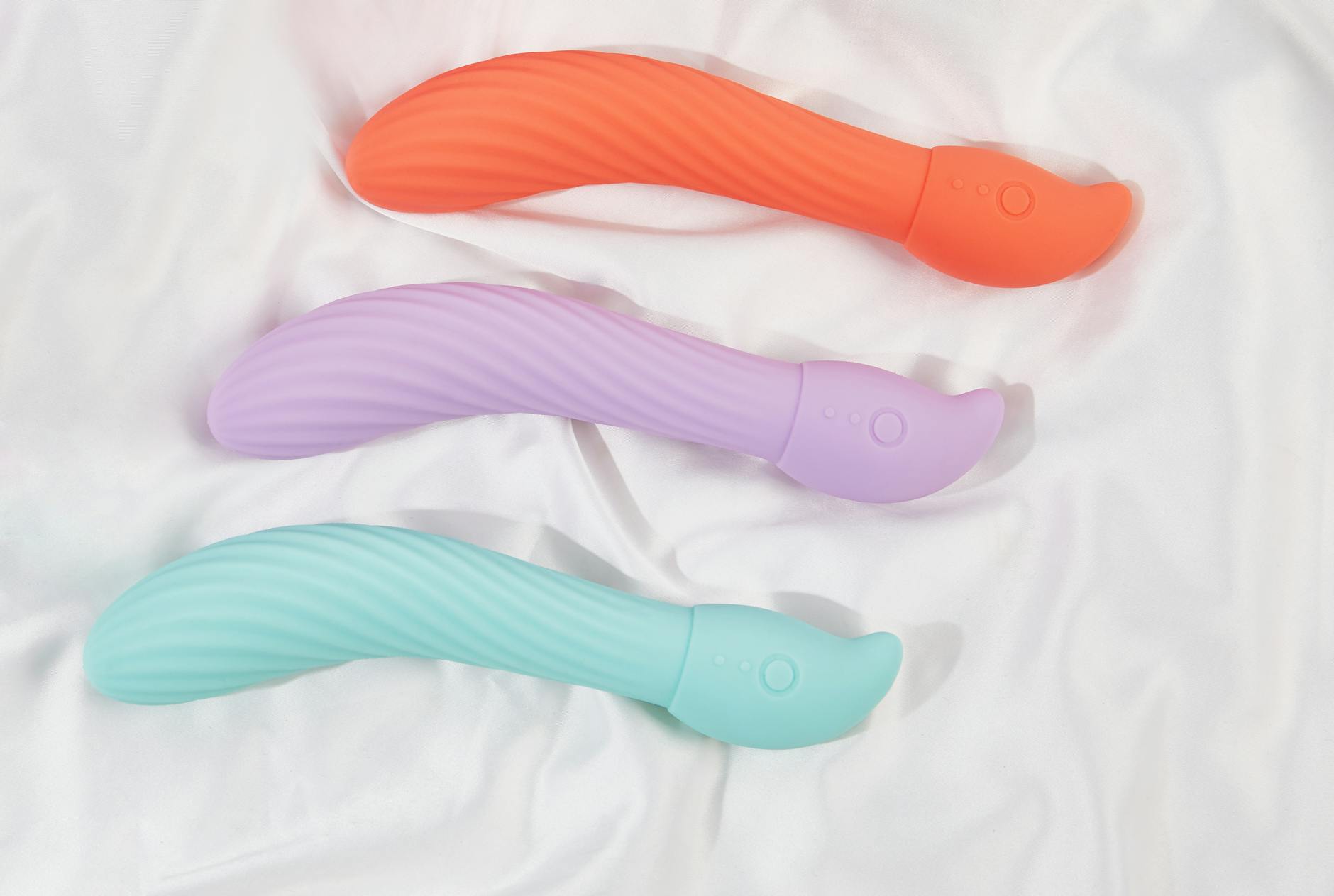
Photo by IFONNX Toys on Pexels
The suction advantage for compromised sensation
Lemon suction toys create stimulation through rhythmic pulling rather than vibration alone. This matters profoundly when your nerves aren't firing predictably. The pulling sensation travels through deeper tissue layers, which often still have intact nerve pathways even when surface nerves are damaged.
Many of my clients with diabetic neuropathy or pelvic nerve compression report that they couldn't feel traditional vibrators at all, but they could feel suction. The experience is different, sometimes slower to build, but actually accessible. Some describe it as feeling sensation "deeper in," which makes sense neurologically. You're stimulating tissue and nerve pathways that conventional vibrators can't reach.
The patterns matter too. Lower, slower patterns tend to feel more distinct to nerve-damaged tissue than high-frequency buzzing, which can actually blur together into a hum that registers as nothing. If you're using a lemon clitoral vibrator, the lower pattern settings will often feel clearer and more buildable than pattern 6 or 7.
Diagnosing whether you actually have nerve damage
Before you assume your sensations have changed due to neuropathy, it's worth knowing what you're actually dealing with. Real vulva nerve damage usually shows specific patterns: numbness in a defined area (often after surgery), tingling that comes and goes, or a burning sensation that doesn't improve with rest.
Hormone shifts, stress, poor blood flow, and muscle tension can all mimic nerve damage but respond to completely different interventions. If you've recently started new medication, changed dosage, or experienced significant stress, those are often culprits. A pelvic floor physical therapist can actually assess whether your sensation loss is structural (nerve damage) or functional (tension, circulation).
This distinction matters because it changes your strategy. Nerve damage requires different tools. Tension and poor circulation respond to warm-up time, patience, and better blood flow, which you might access through longer foreplay or massage.
Adjusting your lemon vibrator use with compromised nerves
If you've confirmed nerve damage, here's what actually helps:
Start with the lowest patterns. Patterns 1 and 2 on a lemon suction vibrator will feel clearer to damaged nerves than higher frequencies. High-speed vibration can create a blur that feels like nothing. Low, deliberate pulses register better.
Extend warm-up time substantially. Nerve damage usually comes with reduced blood flow to the area. Fifteen to twenty minutes of foreplay, massage, or just sitting with arousal gives blood time to flow back to the tissue, which makes sensation more accessible.
Use water-based lubricant generously. It seems like it shouldn't matter, but lube reduces friction and lets suction work more efficiently against your skin. With compromised nerves, every advantage counts.
Don't assume numbness is permanent. Nerve damage can improve. Inflammation reduces, compensation pathways develop, and sensation sometimes returns partially or fully over months. Many of my clients notice gradual improvement just from reducing stress and using tools consistently.
When to see a specialist
If your numbness appeared suddenly or is getting worse, see a doctor before assuming it's untreatable. Some nerve damage is reversible, especially if caught early. Diabetic neuropathy can be slowed with better glucose control. Nerve compression from pelvic floor tension responds to physical therapy. Medication side effects can sometimes be managed by switching drugs.
A pelvic floor physical therapist who understands sexuality is invaluable here. They can assess your actual nerve function, distinguish between structural damage and dysfunction, and suggest tools and techniques tailored to your specific pattern of sensation loss.
Redefining pleasure with damaged nerves
Here's what I want you to know: nerve damage doesn't end your capacity for pleasure. It changes the pathway. When you're working with compromised sensation, you're not broken. You're just learning a different language your body speaks now.
Lemon vibrators, especially their suction design, work well with that reality because they don't rely on traditional vibration to deliver stimulation. They work with the tissue and nerves you have, not against the ones that are damaged. Patience matters more than intensity. Warm-up matters more than speed. Consistency matters because your nervous system adapts and recalibrates over time.
Many people discover that redirecting their attention away from speed and toward sensation quality actually deepens their pleasure in ways they didn't expect. Slower doesn't feel like a compromise. It feels like discovery.
People also ask
Can diabetic neuropathy make clitoral vibrators feel numb?
Yes. Diabetes damages small nerve fibers over time, which means the 8,000 nerve endings in your clitoris get less responsive. Some people with diabetic neuropathy feel nothing with traditional vibrators. The suction design of lemon clitoral vibrators works better here because it stimulates a broader tissue area, which helps reach nerve pathways that are still intact.
Does nerve damage get worse if I use vibrators?
No. Using a vibrator doesn't damage nerves further. What matters is listening to your body and using tools that feel good rather than painful. If vibration hurts, stop and try something else. If suction works better, lean into that. You're not aggravating the damage by exploring. You're adapting.
How long does it take for sensation to come back after nerve damage?
It depends entirely on the cause and severity. Some nerve damage resolves in weeks or months if it's inflammation or temporary compression. Other types take longer. I've had clients report gradual improvement over six to twelve months, especially when they address the underlying cause (better blood sugar control, pelvic floor therapy, stress reduction). Some residual numbness can be permanent, but even then, you learn to work with what you have.
Are there lemon clitoral vibrators specifically designed for sensitive or numb tissue?
The lemon suction design itself is gentler than traditional vibrators for compromised sensation. Lower pattern settings feel more distinct to damaged nerves. Starting with a standard lemon vibrator and using it thoughtfully on patterns 1 and 2 often works better than more intense tools.
Can reduced sensation come back if I switch vibrators?
Sometimes. If your numbness is from stress, hormones, or muscle tension rather than structural nerve damage, changing tools or taking a break can help sensation return. But if it's real neuropathy, your sensation won't improve just from switching toys. It improves with addressing the underlying cause. A pelvic physical therapist can help you figure out which category you're in.
What if suction feels uncomfortable with nerve damage?
Try reducing the intensity, changing patterns, or taking breaks more frequently. Some people with severe neuropathy find that very gentle suction feels better than any vibration. Others discover that a combination of suction and external massage works best. There's no one right answer. Your body will tell you what it needs if you listen patiently.
The reset you actually need
If you're living with vulva nerve damage, you're not broken and you're not alone. Neuropathy is far more common than most people realize, and it's treatable, adaptable, and often reversible. The tools you use matter. The patience you bring matters more. A lemon clitoral vibrator that works with your compromised sensation rather than against it can be exactly what reconnects you to pleasure that felt lost.
Start low, go slow, and remember that sensation is as much about attention and time as it is about stimulation. Your nerves are learning a new language too.
If you have specific concerns about your nerve damage or want guidance on rebuilding pleasure, reach out to us at /contact. We're here to help you navigate this.