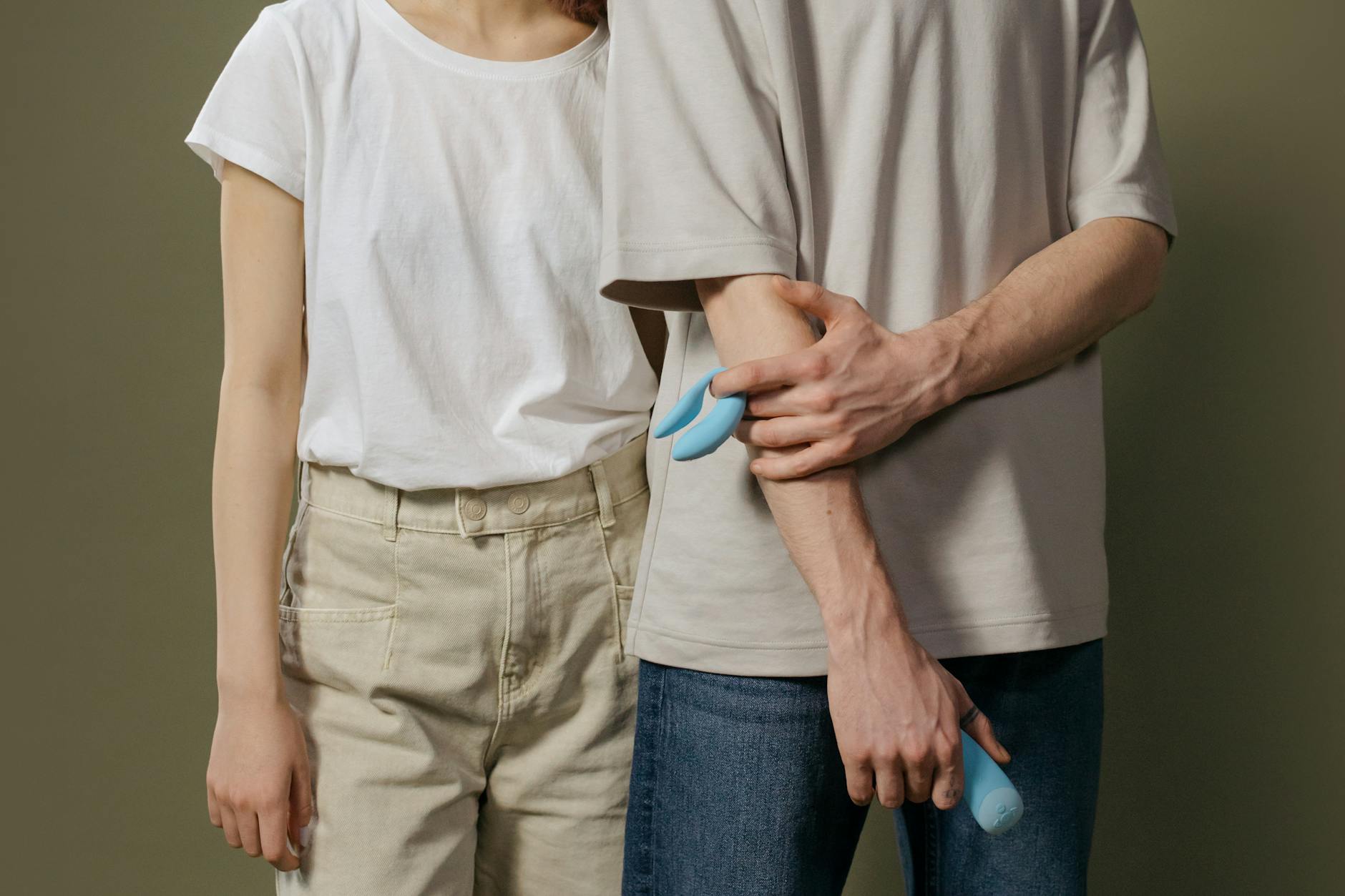
Here's the thing nobody talks about
You buy a lemon vibrator. It feels amazing when you're alone. Then you introduce it to partnered sex and suddenly it feels flatter, less intense, or weirdly detached. You might assume the toy is the problem. It's not. Your brain is.
The same device firing the same pattern into the same nerve endings produces wildly different sensations depending on your relationship status and who's in the room. This isn't psychology. It's neurobiology.
The single nervous system state
When you're alone, you have what I call "undivided nervous system capacity." Your brain has allocated all its resources to one job: tracking sensation and building arousal. No performance monitoring. No partner-awareness circuit running in the background.
Here's what's happening neurologically. Your parasympathetic nervous system (the relaxation branch) can fully activate. Your brain isn't splitting attention between your pleasure and someone else's experience, expectations, or comfort. The clitoral nerve doesn't know the difference, but your prefrontal cortex does. And that cortex modulates how intensely you experience sensation.
When you use a lemon vibrator alone, the air-suction sensation hits a nervous system that's optimized for receiving input. You can breathe deeply without self-consciousness. You can stay in that aroused state for 15, 20, 30 minutes without the micro-stress of wondering if your partner is bored or uncomfortable. Cortisol stays low. Pleasure compounds.
The pattern of a lemon suction vibrator creates consistent, building stimulation. Without relationship variables, that build feels inevitable. Linear. Intensifying.
What changes when there's a partner in the room
Now add a partner. Even if they're not directly involved, their presence triggers something called "performance monitoring." Part of your brain automatically shifts into evaluation mode. Am I taking too long? Does my body look right from this angle? Is my partner enjoying this? Should I be making different sounds?
This isn't vanity. It's a survival circuit that evolved to help us navigate social hierarchies. And it's running even when you consciously don't want it to.
When a partner is present, your nervous system runs two simultaneous processes. One tracks your own sensation (sensory input). One tracks their observation of you (social evaluation). That split creates what feels like a muted response. It's not that the vibrator stopped working. It's that your brain's capacity for pleasure processing just decreased.
There's also the anticipatory element. If a partner is involved in the sex that follows, your nervous system is primed for transition. You're not just chasing your own orgasm. You're managing the arc of the entire sexual encounter. That management layer creates a subtle braking effect on sensation.
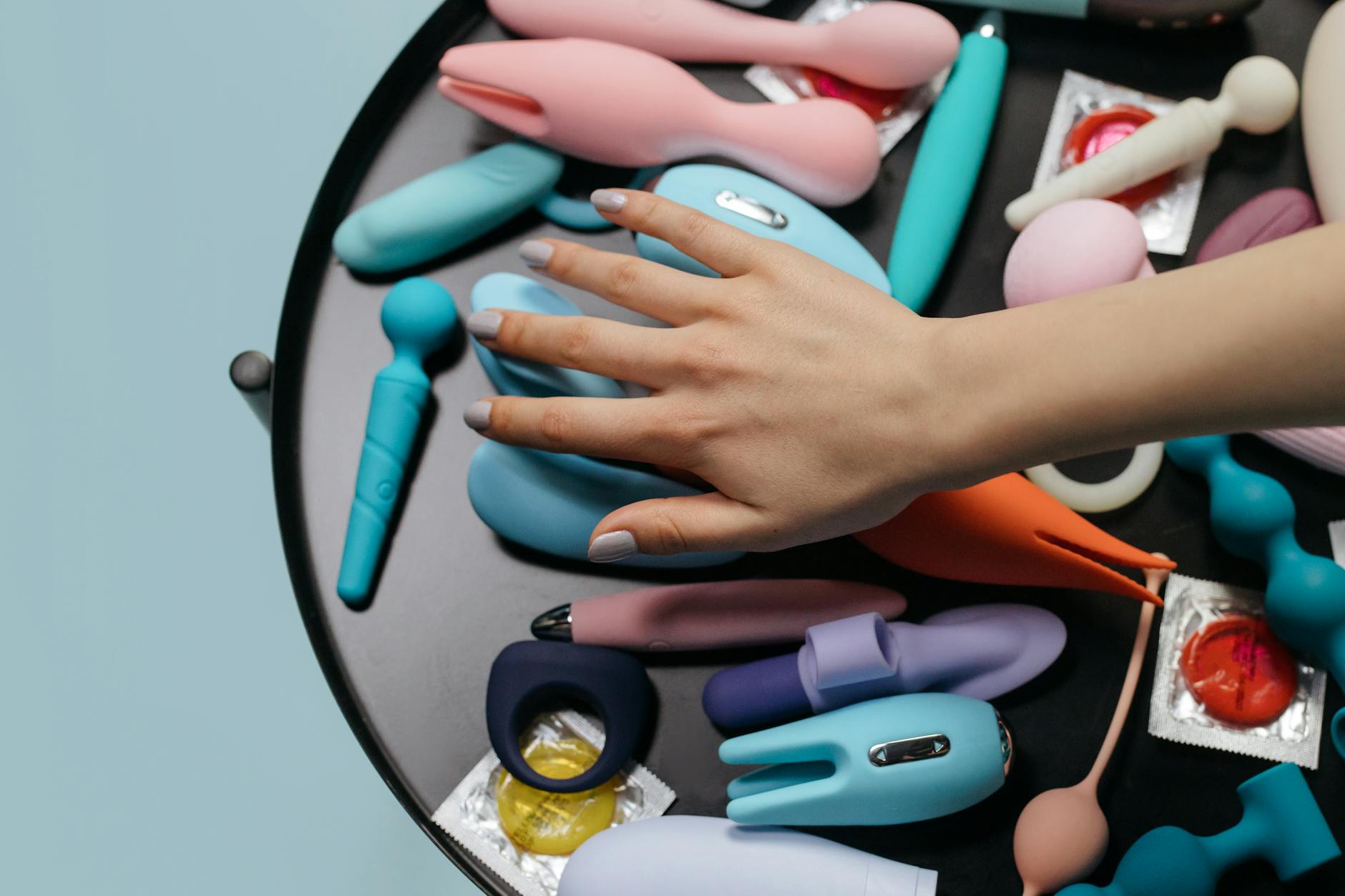
Photo by cottonbro studio on Pexels
How lemon clitoral vibrators land differently in each scenario
A lemon vibrator's air-suction mechanism requires what you might call "consensual vulnerability." You have to stay still. You can't hide. The sensation is obvious from outside the body.
When you're alone, this visibility is irrelevant. You're invisible to anyone but yourself. The lemon's suction pattern can feel exploratory, almost meditative. You can experiment with rhythm without judgment. If it takes 40 minutes to orgasm, that's your timeline.
When partnered, that same visibility becomes data. Your partner can see exactly where the toy is, how long you're using it, whether you're approaching orgasm. For some people, that accountability deepens the experience. For many, it creates a subtle pressure to perform on a faster timeline.
Partners (often unconsciously) signal impatience through body language. A shift in position. Checking the time. Changing pace. These micro-behaviors register in your nervous system as "hurry up." Your brain downregulates the arousal response to accommodate.
I've worked with dozens of couples where one partner describes solo use of their lemon vibrator as profound, full-body, 20-minute experiences. Then in partnered sex, the same person reports feeling disconnected, like the stimulation isn't "landing" the same way. That's the performance monitoring circuit dampening sensation.
The arousal gap phenomenon
There's also a mechanical reality here. When you're alone with a lemon vibrator, you control the narrative entirely. You know exactly how much pressure you want, how long you need, what building pattern works. You can adjust micro-movements without explaining yourself.
Partners, even attentive ones, can't read that level of detail. So you either have to communicate constantly (which breaks flow) or you settle for "good enough" rather than pushing for what would feel amazing if you were alone. The lemon vibrator is the same. Your permission is different.
For people returning to sex after a long break, this gap widens even more. Solo practice with a lemon clitoral vibrator rebuilds confidence. When a partner re-enters, that confidence often temporarily shrinks because the performance variable returns.
The pleasure-seeking instinct reversal
When you're single, the goal is simple: your orgasm. Everything serves that. A lemon suction toy is a tool toward that endpoint.
When partnered, the goal becomes something more complex: mutual pleasure, connection, shared experience. That changes how your brain prioritizes sensation. You're not optimizing for your peak pleasure. You're optimizing for relational pleasure. Those are not the same.
Some partners will enthusiastically embrace your lemon vibrator as part of shared intimacy. In those relationships, the pleasure-seeking instinct stays relatively intact. But if there's any ambivalence (they like it, but don't love it; they see it as a tool for your dysfunction rather than your agency), your nervous system picks up on that. Arousal dampens.
How to adjust and reset the experience
If you notice your lemon vibrator feels less intense or satisfying when partnered, here's what actually helps.
First, name the gap. Tell your partner: "I notice I have a completely different experience with this toy alone versus with you. That's normal neurobiology, not a reflection on you or our intimacy." That conversation often relieves the pressure that was dampening sensation in the first place.
Second, make solo use sacred. Don't treat masturbation as foreplay or appetizer. Treat it as its own complete experience. Give yourself 20 minutes of undivided attention with your lemon clitoral vibrator. When you know you have dedicated solo time, partnered sex stops feeling like the "real" sexuality and solo pleasure stops feeling like consolation. Both become valid.
Third, experiment with partner presence without partner participation. Have your partner in the room but not involved. Read a book. Sit across the room. This bridges the gap. Your partner's presence matters neurologically, but their participation (or non-participation) matters more. You might find that a partner who's nearby but not watching reintroduces some of the relaxation of solo play.
Fourth, use your lemon vibrator as a couple tool in a new way. Instead of feeling like it's for "fixing" you, frame it as exploration. Take turns. Use it on each other. This shifts it from a solo device that happens to be shared into a genuinely partnered tool. That reframe can transform how it feels.
The reassurance you probably need
This isn't about your vibrator. It's not about your partner. It's not about your capacity for pleasure. It's about how your nervous system allocates resources depending on context.
The most satisfied, orgasmic people I've worked with are those who claim both spaces fully. They have profound solo experiences with their lemon vibrators. They also have deep pleasure with partners. They don't compare them or feel betrayed when they're different. They're different because the contexts are genuinely different.
Your nervous system isn't broken. It's adaptive. And that's exactly what makes it capable of surprising depth in both scenarios.
People also ask
Why does my lemon clitoral vibrator feel better when I'm alone?
Your nervous system operates differently in solitude. When you're alone, your brain can fully activate the relaxation response without the simultaneous activation of a social evaluation circuit. Performance monitoring is offline. This means your prefrontal cortex allocates more processing power to sensation and less to self-consciousness. Additionally, you can stay in an aroused state without the micro-pressures of accommodating a partner's comfort, pace, or timeline. The lemon vibrator's suction mechanism is particularly sensitive to this because it requires stillness and visibility. Alone, both feel exploratory. With a partner, they can feel exposed.
Can I train myself to feel the same intensity with a partner present?
Partially, yes. The goal isn't to eliminate the difference (that's neurologically impossible) but to reduce the gap. This happens through communication, permission, and separating solo and partnered sex into distinct experiences you both respect. When you tell your partner, "I need 20 minutes alone with this regularly," and they respect that boundary, partnered sex often improves because you're no longer trying to force the solo experience into a coupled context. You can also gradually desensitize the performance monitoring circuit by having your partner present but not participating, or by taking turns using a lemon vibrator together rather than feeling like it's a "you" tool. The nervous system adapts to new contexts when you give it explicit permission.
Does this happen with all vibrators or just lemon suction toys?
This happens with all toys, but air-suction devices like the Lem are particularly sensitive to the shift. Because suction requires visible stillness and consistent contact, the performance-monitoring difference is more pronounced. Traditional vibrators are less visible and more ambient, so the difference feels less dramatic. However, even with vibrators, research on gendered pleasure shows that women often experience reduced intensity in partnered contexts because of the social evaluation circuit. The mechanism is the same regardless of toy type.
Is it normal that my partner seems bothered when I want to use a lemon vibrator alone?
That reaction often signals insecurity about the toy or about sexuality in general. Some partners interpret solo vibrator use as a critique ("I'm not enough") rather than understanding it as self-care and pleasure optimization. This is a conversation worth having. Frame it clearly: solo vibrator use and partnered sex serve different neurological and relational purposes. Neither diminishes the other. If your partner remains resistant, consider talking to a couples counselor. Pleasure autonomy is a legitimate relationship need. A partner's reluctance to respect it is worth exploring together professionally.
Can I use a lemon vibrator during partnered sex to get that solo intensity back?
Yes, and this is worth trying. Incorporating the toy into shared sex can reframe it from a solo device into a partnered one. Some couples find that using the lemon vibrator together (taking turns, or your partner controlling it while you focus on sensation) reduces the performance monitoring because the toy becomes part of mutual exploration rather than a tool for your individual dysfunction. Alternatively, using it during partner sex while your partner handles penetration or stimulation elsewhere can help because you've given your partner a concrete role. You're not managing the entire experience alone. Neurologically, that often reduces the split-attention sensation.
What if I can't orgasm with a partner present, even using a lemon vibrator?
That's rarely about the toy and almost always about nervous system activation. Some people's performance monitoring circuit is so strong that it genuinely blocks orgasm in partner-present contexts. This is common in people with anxiety, trauma histories, or strong perfectionism. A lemon clitoral vibrator won't override that circuit by itself. You might benefit from working with a sex-positive therapist who understands how the nervous system works. In the meantime, knowing that this is a neurological pattern (not a character flaw or a relationship problem) can help. You deserve pleasure in both contexts. Getting there might take professional support.
The path forward
Your lemon vibrator isn't the variable. Your nervous system is. And that nervous system is doing exactly what it evolved to do. The gap between solo and partnered pleasure isn't a failure. It's a feature of how your brain adapts to context.
The couples who report the most satisfaction aren't those who force solo and partnered experiences to be identical. They're those who fully claim both. They have profound solo experiences. They also build genuine partnership pleasure. And they understand that different contexts create different sensations.
If you're noticing a gap, start with conversation. Then with boundaries. Then with patience. Your nervous system will adapt faster than you think when it finally gets permission to.