The shift nobody talks about
Perimenopause doesn't announce itself neatly. One month your usual routine feels exactly right. Three months later, the same lemon vibrator that always worked feels different. Less responsive. Slower to build. Or weirdly more intense in some spots and numb in others.
Honestly? This is one of the most common things I hear from people in their 40s and early 50s. And it's almost never because anything is wrong.
What hormones actually do to sensation
Estrrogen and progesterone don't just control your cycle. They directly affect blood flow to genital tissue, nerve sensitivity, and how quickly your body can shift from neutral to aroused. During perimenopause, these hormones spike and crash erratically. One week they're high. The next week they plummet. Your body never quite knows what's coming.
This unpredictability means sensation itself becomes unpredictable. The clitoral tissue has a higher density of nerve endings than almost anywhere else on your body, which is exactly why it's so responsive to these hormonal swings.
What shifts specifically.
Your clitoris may feel less engorged at the start of stimulation. Blood flow changes, and arousal takes longer to trigger the physical swelling that intensifies sensation. Nerve sensitivity can fluctuate wildly across your cycle. Some days light touch feels perfect. Other days you need firmer, more consistent pressure to feel anything.
Your pelvic floor muscles also change. Estrogen supports tissue elasticity and muscle tone. When it drops, even temporarily, that support softens. This changes how orgasmic sensation travels through your body.
The good news: none of this means lemon vibrators stop working. It just means the way you use them might shift.
Why lemon vibrators handle perimenopause well
The suction mechanism that makes lemon clitoral vibrators different becomes genuinely valuable during hormonal shifts. Traditional vibrators rely on direct friction and rapid intensity. Lemon vibrators use air-suction technology, which creates a gentler, more sustained pull that doesn't require the same tissue engagement.
When sensation feels duller because of hormonal changes, suction can actually help. It stimulates the entire clitoral complex, not just the surface. This means you're not fighting against reduced sensitivity. You're working with your body's actual responsiveness.
The pattern variety matters too. Most lemon sexual toys offer multiple intensities and pulse rhythms. During perimenopause, what worked last month might not work this month. Having options means you're not chasing a static target.
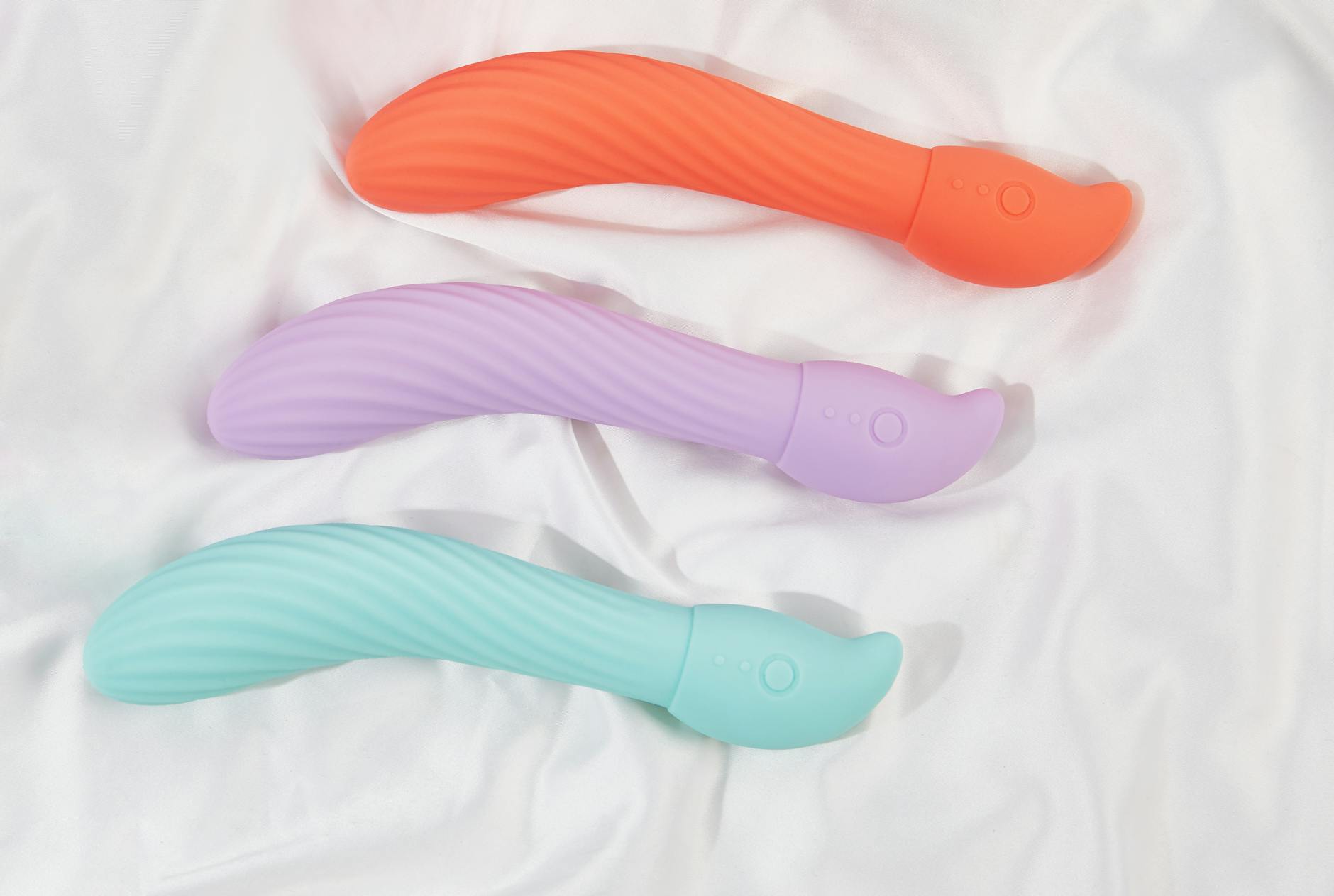
Photo by IFONNX Toys on Pexels
How to adjust your rhythm during hormonal shifts
Here's what I recommend to clients navigating this.
Track your cycle loosely. You don't need an app obsession. Just a mental note of whether you're closer to ovulation or menstruation. Sensation tends to be sharper around ovulation (higher estrogen) and duller in the luteal phase. This alone can reframe what feels "wrong" as simply "different."
Start with lower intensity. If you've been using your lemon vibrator on pattern 4 or 5, try dropping to 2 or 3. The point isn't less pleasure. It's meeting your actual sensitivity where it is right now, not where it was last month.
Give warm-up more time. Perimenopause slows arousal buildup. Instead of 5 minutes, budget 10 to 15. This isn't a flaw. It's just the timeline your body needs.
Switch patterns mid-session. Unlike traditional vibrators, lemon clitoral vibrators let you cycle through different pulse rhythms. If one pattern isn't building sensation, flip to another. Your nervous system might respond better to rhythm variation than intensity alone.
Lubrication becomes non-negotiable. Hormonal shifts thin vaginal tissue. Even if you've never needed additional lube before, perimenopause often changes that. Water-based lube takes zero friction off the table and adds glide without damaging silicone toys.
The psychological layer matters as much as the physical
Here's the thing nobody tells you: perimenopause is also a major life chapter. Kids launching, career transitions, relationship recalibrations. Your body isn't just changing hormonally. Your mental bandwidth is shifting too.
I've had clients swear their lemon vibrators stopped working, only to realize they were distracted. Partner tension. Work stress. Unprocessed grief about aging. The device didn't change. The context around using it did.
This is worth naming clearly. If sensation genuinely feels different across multiple cycles, it's hormonal. If it feels spotty and tied to stress, that's a different conversation. Separating those two things prevents you from chasing a technical fix when what you need is permission to slow down.
When to see a doctor
If pain shows up during arousal or orgasm, don't wait. Perimenopause can trigger or worsen genitourinary syndrome, and that's treatable. Topical estrogen creams, vaginal moisturizers, and low-dose hormone therapy can all make a real difference.
If you're using a lemon suction vibrator correctly and sensation is still completely absent, that's worth checking with a GP. It's usually nothing serious, but ruling out thyroid issues or medication side effects is sensible.
Otherwise? What you're experiencing is normal perimenopause. Not broken. Not permanent. Just different.
The reframe
Your body isn't losing its capacity for pleasure during perimenopause. It's shifting how pleasure builds and what intensity feels right. That's not a downgrade. For many people, it's actually a redirect toward deeper, more intentional arousal.
Lemon clitoral vibrators work well with this shift because they don't force a single pathway to sensation. They're flexible. Multiple patterns, variable intensity, and a mechanism that engages tissue differently than traditional vibrators.
If you're noticing your usual routine feels different, you're not alone. And you're not broken.
People also ask
Can perimenopause make you need a stronger vibrator?
Not necessarily. Stronger sensation doesn't always equal better sensation. Some people find they actually prefer lighter intensity during perimenopause because tissue sensitivity shifts. The lemon clitoral vibrator's range of patterns and intensities means you can find what works right now, not chase what worked before. If you do want to explore different stimulation, how lemon vibrator patterns activate different pleasure zones breaks down how suction compares to traditional intensity.
Does hormone replacement therapy change how vibrators feel?
Yes. If you start HRT, sensation often stabilizes and deepens. Your body's responsiveness becomes more predictable again. That said, HRT is a medical decision that depends on your full health picture. Talk to your doctor about what's right for you, not about vibrator compatibility.
Why does my lemon vibrator feel less intense on some days?
Hormonal fluctuations directly affect blood flow and nerve sensitivity. Days when estrogen is lower, clitoral tissue is less engorged, and arousal takes longer to build. This isn't the vibrator failing. It's your body's natural rhythm. Adjusting to lower intensity and longer warm-up usually solves this.
Can I use the same lemon vibrator settings throughout perimenopause?
You can, but you might not want to. Hormonal shifts are cyclical. What feels perfect during the follicular phase (around ovulation) might feel too intense during the luteal phase. Many people find the most satisfying approach is staying flexible with intensity and pattern, matching what your body actually needs that week.
Is it normal for my lemon vibrator to feel different if I'm stressed?
Completely normal. Stress suppresses arousal hormone production and triggers cortisol, which literally reduces blood flow to genital tissue. You'll feel a real difference in sensation, but it's not your vibrator or perimenopause. It's stress. Lowering intensity, extending warm-up, and managing stress often brings sensation right back.
Should I try a different type of vibrator if my lemon vibrator feels different?
Not immediately. Your body is changing, not your vibrator. Before switching devices, try adjusting intensity, pattern, warm-up time, and lube. Most people find that matching the tool to their actual sensitivity (rather than swapping tools) gets them back to pleasure faster. If you're curious about how lemon suction vibrators compare to other options, how lemon suction toys compare to traditional vibrators walks through the differences.
Want to talk this through with someone? Reach out to Hello Nancy. Questions about perimenopause, pleasure, or anything else deserve real answers.