When emotional distance becomes physical numbness
Honestly, this is one of the most common patterns I see in my practice. A couple drifts emotionally. Communication gets thin. Resentment or stress builds quietly. And then one partner mentions, almost in passing, that they've lost interest in sex. The other partner hears rejection. But what's actually happening is neurological. When emotional connection fractures, the nervous system literally downregulates arousal signaling. Your body isn't refusing pleasure. It's protecting itself.
The good news is that physical reconnection doesn't have to wait for the emotional work to finish. They can happen in parallel. And sometimes, rebuilding sensation actually accelerates the emotional repair.
How emotional distance changes physical response
When you feel distant from a partner, your brain's threat-detection system gets louder. Cortisol rises slightly. The parasympathetic nervous system, which governs arousal and relaxation, gets quieter. Your body learns that vulnerability with this person doesn't feel safe right now. So it stops sending the signals that make touch feel good.
This isn't depression, and it isn't asexuality. It's a survival response. And it makes physical reconnection feel impossible without a bridge.
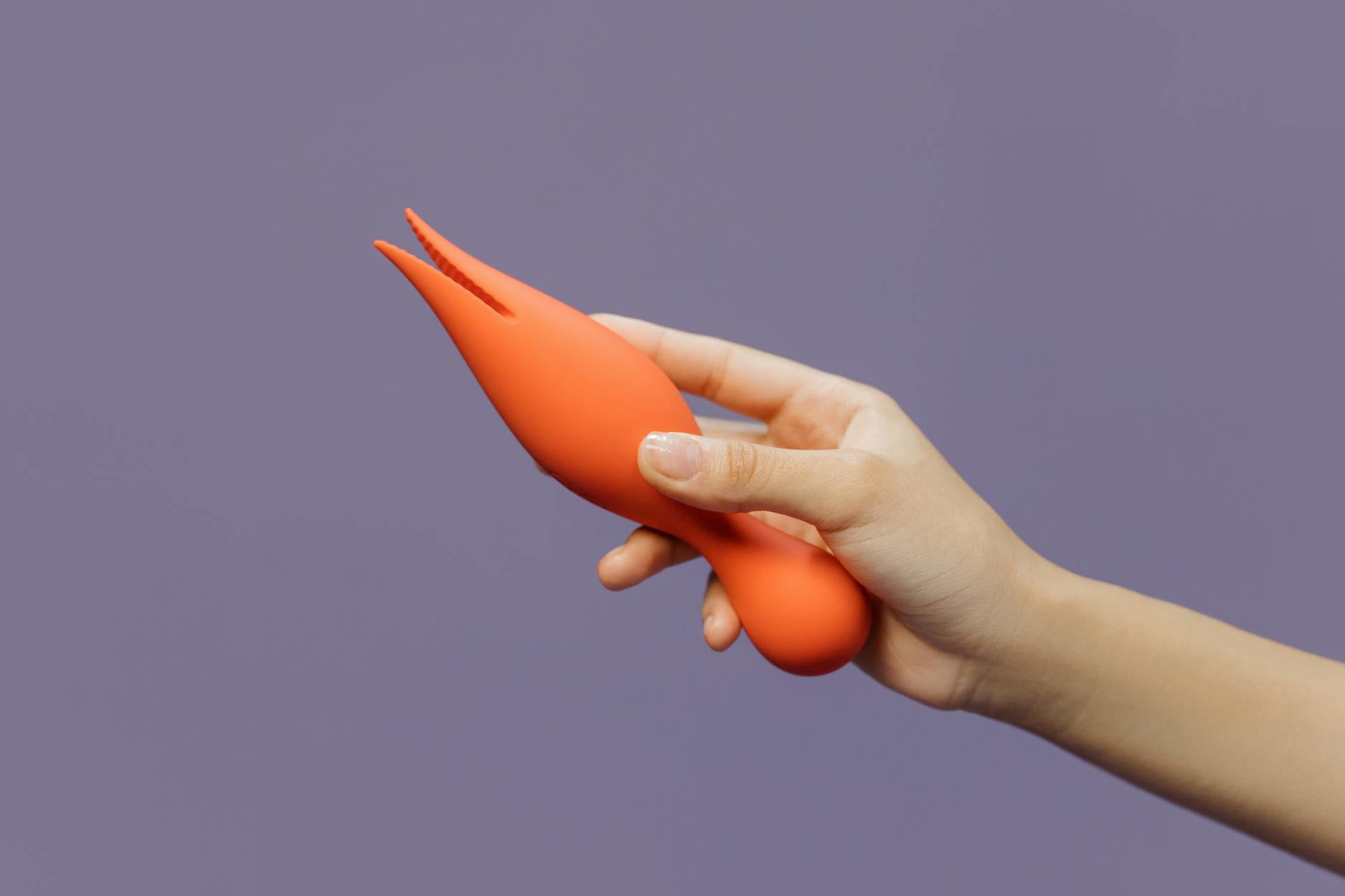
Lemon vibrators, especially high-sensation suction devices like the Lem, create that bridge because they bypass some of the psychological filters. Suction works on a completely different neural pathway than penetration or partner touch. It's strong enough that your nervous system can't ignore it, but it's impersonal enough that it doesn't require vulnerability. You get sensation without the emotional risk. And that matters.
Why suction works when other tools don't
Traditional vibrators send a steady, predictable signal. Your nervous system adapts to them quickly, especially if you're already emotionally guarded. The sensation becomes background noise.
Suction is different. The rhythmic pulse activates more nerve endings, and the pattern is complex enough that your nervous system stays engaged. For someone whose arousal system has gone quiet due to emotional distance, that intensity can actually be the thing that wakes it back up.
More important: suction doesn't require the same kind of presence or reciprocity that partner touch does. You don't have to worry about your partner's timing, pressure, or desire matching yours. You control the experience entirely. That autonomy is healing when trust has eroded.
The reconnection protocol: four phases
Phase 1: Solo rediscovery (alone, 1-2 weeks).
Start by exploring sensation on your own. This isn't about reaching orgasm. It's about waking up your nervous system without the pressure of emotional reciprocity. Use a lemon clitoral vibrator at lower intensity settings, starting with just 10-15 minutes. Your body needs to remember that pleasure is possible. No performance. No audience. Just information gathering.
This phase is crucial because it reestablishes trust in your own capacity for sensation, independent of your partner.
Phase 2: Shared observation (together, low stakes).
Invite your partner to be present while you use the toy, but not to participate. They can be in the same room, reading or listening to music. The goal is to desensitize the shame around pleasure in front of them, and to let them witness your pleasure without pressure to contribute.
This feels awkward. That's normal. Awkwardness is actually good here because it's honest. After months of emotional distance, things should feel a little strange at first.
Phase 3: Guided exploration (together, directed).
Once you're comfortable with your partner present, invite them to use the vibrator on you while you direct them. You hold the device, or you guide their hand. This lets them participate in your pleasure without making it about them. The structure protects you both.
Many couples report that this phase is when emotional reconnection really accelerates. You're literally rebuilding the circuit where pleasure and your partner's attention get wired back together.
Phase 4: Integrated play (together, reciprocal).
From here, things get integrated into whatever your physical relationship looks like. The vibrator becomes a tool in your routine, not a workaround. You use it together, not instead of each other.
What to expect in the body
Weeks one and two might feel like nothing. Sensation can take time to return when it's been suppressed. That's not a sign the tool isn't working. Your nervous system is being patient with itself.
Week three or four, many people report a subtle shift. Touch starts to feel interesting again. Arousal comes slightly faster. By week six, the changes can be significant. Partners often tell me that this is when they realize emotional reconnection is actually happening too.
This timeline isn't universal. Some couples move faster. Some need longer. The rhythm matters less than the consistency.
Why the emotional work still matters
Let me be clear: sensation tools help rebuild the physical pathway, but they don't address whatever caused the emotional distance in the first place. If the disconnect came from unresolved conflict, different values, or a partner's infidelity, you still need to do that work. Couples therapy, honest conversations, rebuilt trust. The vibrator is supporting that process, not replacing it.
Think of it this way. Emotional reconnection is like rewiring a circuit. The vibrator creates a new, temporary power source so the circuit can work again while you're doing the wiring. But you still have to rewire.
That said, how couples use intimacy tools together can itself be a form of communication and reconnection. When you're using a tool collaboratively, you're making choices together, checking in, responding to what feels good. That's emotional work happening in real time.
The partner's role (if you have one)
For the partner watching this happen, the role is simple but not easy. Show up without expectation. Notice without commentary. Respond when invited, and step back when that's what's needed. Don't make it about your own arousal or reassurance. This isn't about proving you still want your partner. It's about holding space while they reconnect with themselves.
Many partners feel like they should be enough on their own. The presence of a vibrator can feel like a failure. It's not. It's a tool. Just like therapy is a tool, or a date night plan is a tool. It doesn't mean the relationship is broken. It means you're serious about fixing it.
When to add other dimensions
Once sensation is coming back and you're reconnecting physically, you might naturally want to explore more. Some couples find that adding other tools or dimensions helps address specific gaps in arousal. That's fine. Follow what feels right, not what you think should feel right.
But don't skip the early phases trying to get to something more exciting. The simplicity of the first four weeks is where the real healing happens.
One more thing about shame
Many people carry shame about needing tools to feel pleasure again, especially in a relationship. Let me name that directly. That shame is borrowed. It's not yours. Our culture tells us that if a relationship is healthy, you should just want each other. That's a lie designed to sell you relationship books and therapy you might not need, while making you feel broken when normal human bodies need normal human help.
Using a lemon vibrator doesn't mean your relationship is failing. It means you're paying attention to what your body needs and acting on it. That's one of the healthiest things couples do.
FAQ: Rebuilding connection with sensation tools
How long does it usually take to feel reconnected again?
Most couples report meaningful physical reconnection within 4-8 weeks of consistent practice. Emotional reconnection often mirrors this timeline, though deeper trust rebuilding takes longer. The key is showing up consistently, even when nothing seems to be changing. Your nervous system is rewiring in the background.
What if one partner wants to reconnect and the other doesn't?
This is a sign that emotional work needs to happen first. If one partner has completely checked out, a vibrator won't fix that. You might need couples therapy to understand what's underneath the disconnection. The tool helps when both people are willing to try. It doesn't create willingness.
Can using a vibrator make emotional distance worse if we're not communicating?
Possibly. If you're using sensation to avoid the real conversation, you're building on a weak foundation. The best approach is to name what's happening. "We've drifted. I want to rebuild this. Can we try something together?" Honesty first, then tools.
Is it okay to use a lemon vibrator alone while rebuilding with a partner?
Yes. Solo exploration is actually really important in the early phases. It gives you a baseline for what feels good without the pressure of your partner's presence. Many couples find that partners using toys on their own and together creates the healthiest dynamic.
What if sensation doesn't come back even with consistent practice?
If you're past 8-10 weeks with no shift, talk to a doctor or therapist. Sometimes physical distance has a medical component (medication side effects, hormonal shifts, pain). Sometimes it's a sign that the emotional work needs more depth or professional support. Don't assume you're broken. You might just need a different kind of help.
How do I talk to my partner about trying this without it feeling like criticism?
Lead with what you want, not what's wrong. "I've been feeling distant from you, and I miss this part of us. I read that some couples use tools to rebuild connection. Would you be open to trying?" That's vulnerability, not blame. Most partners respond well when they understand you're inviting them in, not pushing them away.
The bridge back to each other
Emotional distance doesn't have to mean permanent physical disconnection. Your body remembers pleasure. Your nervous system can rewire. And most importantly, couples who've rebuilt physical connection after drifting often report that the intimacy that comes back is deeper and more intentional than what was there before. You stopped taking it for granted. You chose each other again.
That's worth the awkwardness of the early weeks.