Let's start with what long distance actually does
Long-distance relationships don't kill desire. They kill routine. What couples lose isn't chemistry—it's the casual daily touch, the automatic check-in, the ease of physical presence. That loss is real, and ignoring it doesn't make it smaller. But here's what I've learned from fifteen years of working with couples navigating distance: the right tools, used thoughtfully, can actually deepen intimacy in ways living together often doesn't.
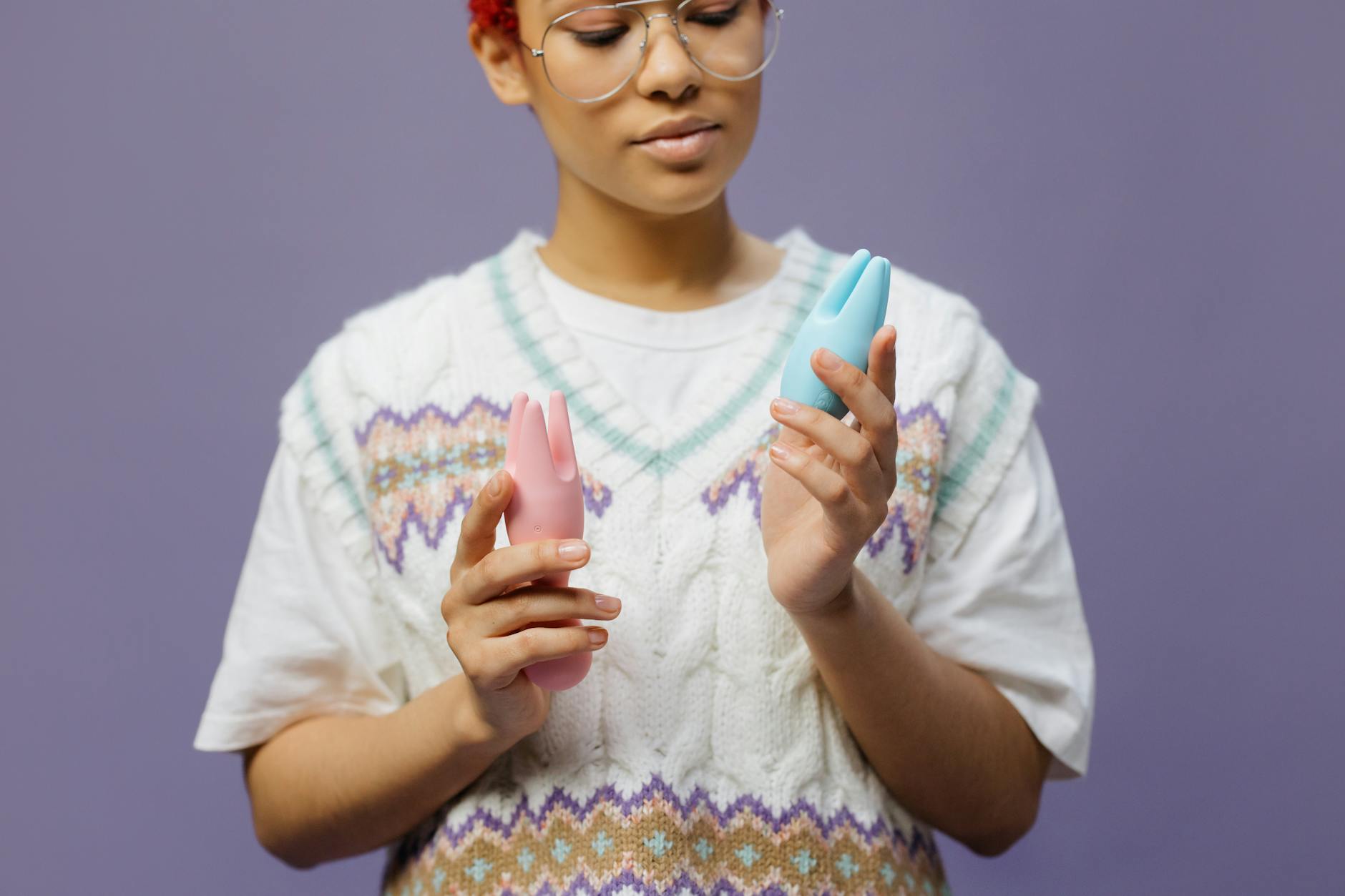
A lemon vibrator isn't a band-aid. It's a conversation starter wrapped in silicone.
Why lemon vibrators work differently for distant couples
Distance changes the dynamic in three ways. First, you're planning instead of happening. Sex becomes intentional—a scheduled call, a set aside evening. This sounds clinical, but it's actually powerful. You're choosing each other. Second, you have to communicate explicitly. "That feels good" becomes the only feedback your partner gets. No body language, no adjusting mid-moment, no reading the room. You have to talk. Third, there's visual connection without physical connection. Video sex has a strange intimacy to it because you're entirely present—no phone scrolling beside you, no half-attention.
A lemon vibrator, used with your partner watching or listening, shifts the entire equation. It becomes a shared experience instead of a solo one.
How to introduce this conversation
Don't lead with the toy. Lead with the desire. "I miss being intimate with you" or "I want us to feel closer during these long stretches" opens the door without the awkwardness of suddenly suggesting you buy something together.
Then: "Have you ever used anything on your own?" Most people have, even if they haven't named it explicitly. From there, the step to "What if we did this together over video?" feels natural instead of jarring.
If your partner hesitates, the hesitation usually isn't about the toy. It's about vulnerability. Being watched while you're vulnerable is different from being touched while you're vulnerable. You're asking for exposure without comfort. Acknowledge that directly: "I know this feels exposing. That's part of why I want to do it with you—because I trust you." That changes the entire framing.
The practical setup that actually works
Three things matter: camera angle, timing, and what you do with your hands while they're doing this.
Camera angle. You both want to see what's happening, but not in a way that feels surveillance-like. Prop your phone or laptop so the camera shows from roughly knee up. Higher angle, yes, but not clinical. The goal is to see pleasure, not to document. If your partner is self-conscious, they'll perform instead of feel. Kill that dynamic immediately by looking away sometimes, by checking in with eyes instead of staring.
Timing. A lemon vibrator isn't fast. Suction works differently than traditional vibration. The buildup is slower, the intensity is different. Budget more time than you think you need—30 to 45 minutes minimum. This isn't a quickie. It's a ritual. Knowing that going in changes how you approach it. You're not rushing to a climax. You're exploring sensation. That shift alone deepens the experience.
What you do. Don't just watch. Talk. Whisper what you'd do if you were there. Ask what they're feeling. Share what you're feeling watching them. If you're a penetrative partner, you might be using your own hand while they're using the toy. You're mirroring, building together. The rhythm doesn't have to match. The intention does.
The arousal gap long distance creates (and how to close it)
Here's the thing that surprises couples: when you're in the same room, arousal syncs because of proximity. You see your partner's body, you smell them, you feel the shift in their breathing. Long distance kills all of that. So arousal doesn't build together. One person is ready and the other is still cold.
This is why foreplay before the video session matters so much. Send a message earlier that day. Something specific. Not "I'm thinking about you," but "I've been thinking about what you felt like against me on Tuesday," or "I want to watch you come." Let anticipation build for hours. Your nervous system doesn't know the difference between actual touch and the memory of touch plus the promise of touch. Arousal starts in the brain, and the brain loves a long con.
When you're on the video call, the warm-up matters more than it does in person. Slow down. Talk for ten minutes before anyone touches themselves. Let your eyes roam. Mention what you notice. "You look beautiful right now." "I like watching you like this." This isn't cheesy. This is functional arousal-building. You're creating the context your nervous system needs to feel safe and present.
Then introduce the lemon vibrator. Not immediately. After a few minutes of hands or other touch. The toy becomes an intensifier, not the main event.
Managing the vulnerability piece
This is where it gets real, and where most couples either deepen or pull back. Video sex is exposing in a way that in-person sex sometimes isn't. When someone is inside you, you can hide in sensation. On video, there's nowhere to hide.
Some people never feel safe with this. That's okay. But most people, given time and clear consent boundaries, discover something unexpected: being watched while you're vulnerable by someone who loves you is one of the most intimate things humans can do.
Here's what makes it work: you both have to agree on what happens to the recording. Most couples don't record. Some do, with explicit agreements. Decide that together beforehand. You also both need to agree on the exit—if someone gets uncomfortable, what does stopping look like? Not shame, not awkwardness. Just a clean exit. Knowing that safety net exists means most people never need it.
If your partner comes and you don't, or vice versa, that's normal and fine. You're not performing a matched experience. You're sharing an experience. Sometimes that means different endings.
Why this actually rebuilds intimacy (not just fills the gap)
When you see your partner climax while you're watching, something shifts in your nervous system. Your brain registers that as intense intimacy. You've been let into their most unguarded moment. They've chosen to be that way with you across distance. That's not small.
Couples who do this report two things. First: the regular video sex deepens faster than it would without a physical component. The lemon vibrator gives you something to focus on, something real happening. Second: it teaches you how to be present with your partner without the autopilot of physical proximity. You have to show up mentally. You have to choose attention.
Long-distance relationships are hard. They're also, weirdly, an opportunity. When you can't default to physical touch, you build other forms of intimacy. Communication deepens. Intention becomes visible. By the time you're in the same room again, you've practiced a kind of presence that a lot of couples living together never develop.
A lemon vibrator isn't the relationship. But it's a tool that says: I'm thinking about you. I want to stay connected. I'm willing to be vulnerable with you even though you're not here. That message is what builds.
Timing considerations across time zones
If you're across time zones, you're also across energy. Someone's morning is someone's bedtime. This is a practical constraint with real solutions. Some couples find a time that's inconvenient for both of them (slightly early for one, slightly late for the other). Others do asynchronous touch: you send a video message of yourself. They watch it later and respond. It's not simultaneous, but it's intimate.
Whichever you choose, consistency helps. "Tuesday and Friday evenings, 8 p.m. my time" is different from hoping something happens. You're building a ritual. Rituals are what keep couples connected across distance.
When to bring in the lemon vibrator specifically
If you're using a lemon clitoral vibrator, the suction design changes what's possible during partnered video sessions. The steady, building sensation means you're not chasing intensity—you're allowing buildup. That rhythm works beautifully for longer sessions. The lack of high frequency vibration means it's less likely to numb you out, which matters when you're trying to stay present and communicative.
If your partner is taking medication that affects arousal, lemon vibrators can help rebuild sensitivity. That conversation is worth having before you schedule your first video session together.
FAQ
How do I ask my long-distance partner to try this without it feeling awkward?
Lead with desire and trust, not logistics. "I miss being close to you" opens more doors than "I bought a toy." You're naming what's missing, then offering a solution together. If they say no, they're saying no to the idea of video sex with toys, not rejecting you.
Is it cheating if we do this when we're taking a break?
A break usually means you've agreed you're not together for a specific period. Anything sexual in that window is cheating by the definition of your break. But you should define that before you're in the thick of longing. "If we take time apart, is flirting with other people allowed? What about solo touch?" These conversations prevent the hurt later.
What if we're both on the call but one of us isn't interested in using a toy?
Then use something else. A hand, a vibrator without suction, fingers. The toy is a tool, not a requirement. Some partners love watching their partner touch themselves without any device. That's valid. The lemon vibrator isn't a substitute for presence; it's an option for couples who want something different.
How often should long-distance couples do this?
Once a week is sustainable for most people without it feeling like a chore. Some couples do it more, some less. The frequency matters less than the intention. If you're both showing up present and wanting to, once a month can deepen intimacy. If you're doing it out of obligation, weekly starts to feel stale. Listen to what feels good for both of you.
What if the video freezes or something goes wrong technically?
Tech fails. It's humbling and often funny if you let it be. The intimacy isn't in the perfect execution. It's in trying to stay connected despite distance. If your call drops, you can reschedule. If someone gets awkward because the camera caught a weird angle, that's actually the most human part of the whole thing.
How do we transition from video intimacy to in-person intimacy when we're finally together?
Don't over-engineer it. The skills you've built on video—communication, presence, naming what feels good—carry directly into the room. You might actually find that in-person sex is different and even better because you've practiced vulnerability. Some couples discover that the in-person experience is less intense than video because you're not stripped down to pure sensation. That's normal. You're building a new kind of presence together.
The real outcome
Long-distance relationships require a different skill set than proximate ones. You can't coast. You can't default to "we're just here together." You have to choose intimacy, plan for it, and show up for it. A lemon vibrator is part of that infrastructure. But the infrastructure that matters most is the one you're building right now: the ability to be vulnerable with each other across distance. That's what translates when you're finally in the same room again.